Losing weight can be a powerful and positive step toward better health and well-being. But for many people, this accomplishment comes with an unexpected side effect: stretch marks. While often linked to weight gain or pregnancy, stretch marks can also appear as the skin adjusts to weight loss, especially when the change is rapid or significant.
This can be frustrating. You have put in the effort to feel better in your skin, only to notice visible marks that may affect your confidence. Stretch marks are extremely common. Women are more frequently affected than men, with nearly 80 percent of women developing them compared to around 40 percent of men. These marks tend to appear during periods of physical change such as adolescence, pregnancy or variations in body weight.
The good news is that there are professional in-clinic treatments that can help improve the appearance of stretch marks. Healthy daily habits can also support your skin as it adapts to changes in your body.
In this article, we will look at why stretch marks can develop during weight loss, what treatments are available in clinic, and how to help your skin stay resilient through the process.
Why Do Stretch Marks Appear After Weight Loss?
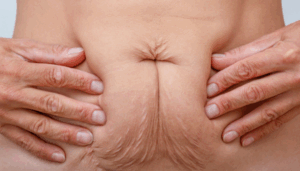
Stretch marks don’t only result from weight gain. They can also appear or become more noticeable after weight loss, especially when the change is rapid or follows repeated fluctuations in body size.
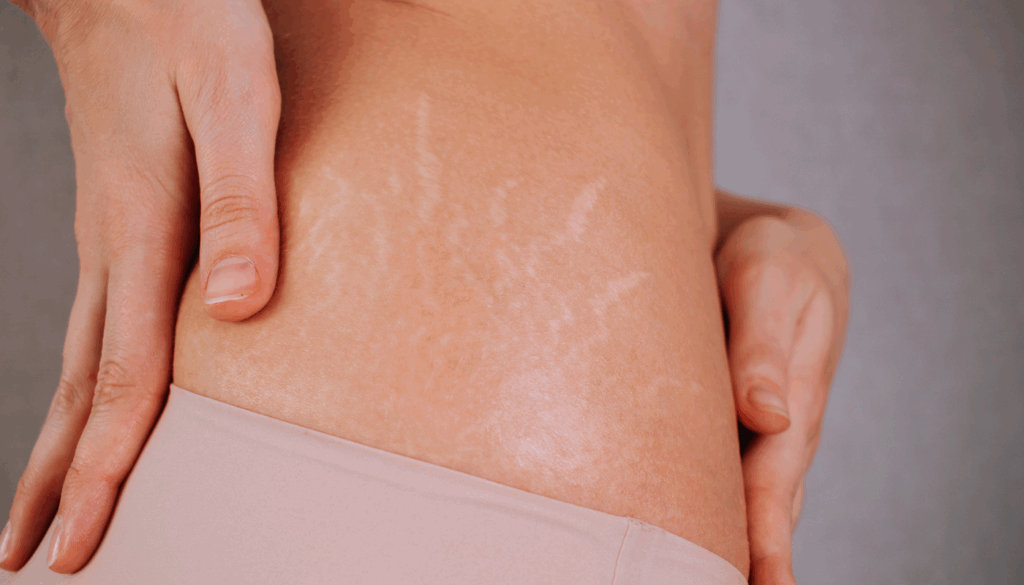
When the skin doesn’t have time to adapt, the sudden reduction in volume can create tension in the deeper layers. This strain may cause small tears in the collagen and elastin network, leading to visible lines on the surface. At first, stretch marks often appear red, pink, purple or brown, depending on skin tone. Over time, they typically fade to a lighter shade such as white, silver or translucent, and may feel slightly indented or textured.
Stretch marks after weight loss tend to appear in areas where fat was naturally stored:
- Abdomen
- Hips
- Thighs
- Buttocks
- Upper arms
- Breasts
Several factors can increase the likelihood of developing stretch marks during weight loss:
- Decreased skin elasticity
- Genetic predisposition
- Hormonal fluctuations
- A history of significant weight gain or stretching (such as during pregnancy or muscle building)
The rise in popularity of rapid weight loss medications like Ozempic has led more individuals to notice changes in their skin texture. In many cases, stretch marks that had been previously hidden or minimal can become more visible as the skin loosens and volume is lost quickly.
In-Clinic Treatments for Stretch Marks: What to Know
Stretch marks may fade over time, but in many cases, they remain visible without clinical treatment. While no procedure can completely erase them, several in-clinic technologies can significantly reduce their appearance. The most effective approach depends on:
- The stage of the stretch marks (red or white)
- The skin tone and how it reacts to treatment
- The depth, width and location of the marks
- Your goals and tolerance for downtime
A customized treatment plan is always essential. The best results come from combining modalities, adjusting intensity to the skin tolerance, and allowing time for gradual improvement.
Treating Red Stretch Marks (Striae Rubrae)
Red, pink, purple or even brownish stretch marks are in their early, active stage. They are caused by inflammation and dilated blood vessels. At this stage, the goal is to reduce visible redness before the marks become permanent.
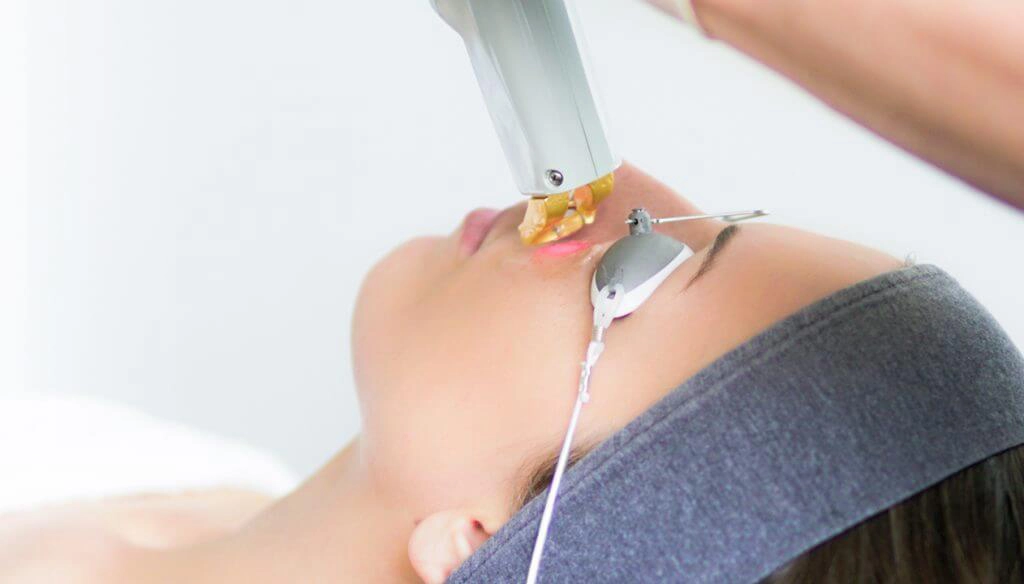
Vascular Laser (e.g. Vbeam, Nd:YAG)
This laser specifically targets the blood vessels responsible for the red coloration. By shrinking these vessels, the redness fades and the stretch marks become less visible.
- Ideal for light to medium skin tones (Fitzpatrick I to III)
- Can be adjusted safely for darker skin
- Most patients need 1 to 3 sessions
- Expected results: Up to 80% reduction in redness
Once redness has faded, treatment continues under the approach for white or mature stretch marks
Treating White Stretch Marks (Striae Albae)
White or silvery stretch marks are older and no longer inflamed. At this stage, treatment focuses on stimulating collagen production deep within the skin to improve firmness, reduce depth and soften overall texture. Because they are no longer vascular, the priority is on dermal remodeling.
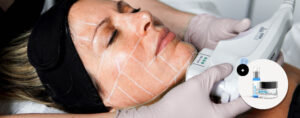
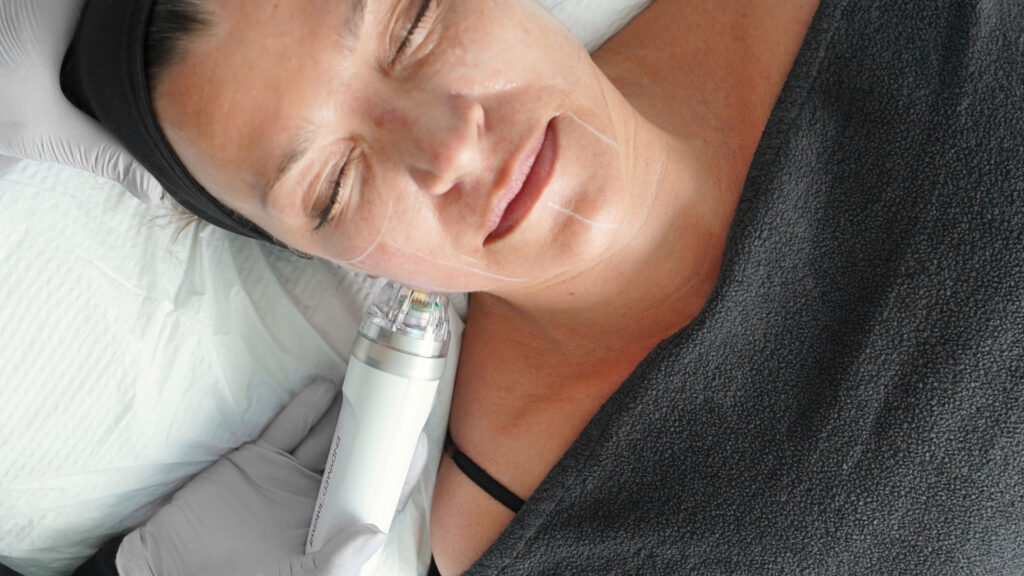
RF Microneedling
This treatment delivers heat deep into the dermis through fine needles, activating the natural production of collagen and elastin. It is one of the most effective non-invasive options for improving the appearance of mature stretch marks.
- Safe for all skin tones
- Typically performed over several sessions spaced a few weeks apart

Fractional Laser (CO₂, Fraxel)
Fractional lasers create controlled micro-channels in the skin to trigger tissue regeneration. CO₂ lasers are commonly used on lighter skin tones, while non-ablative fractional lasers are better suited for darker complexions.
- Effective for skin resurfacing
- Requires some downtime after treatment
- Choice of laser depends on skin type and treatment goals
Supporting Treatments
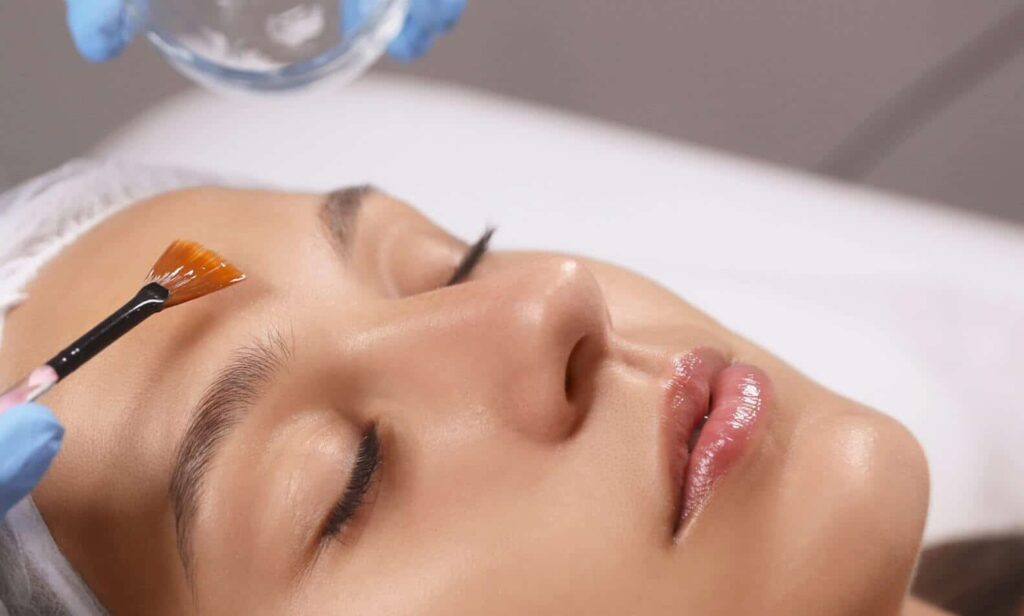
Medium or Light Chemical Peels
Chemical peels use active exfoliating agents to remove surface layers of the skin and stimulate renewal. In the context of mature stretch marks, they are often used in combination with other technologies to enhance overall skin tone and texture.
- Must be adapted based on skin tone and sensitivity
- May assist with surface irregularities and tone
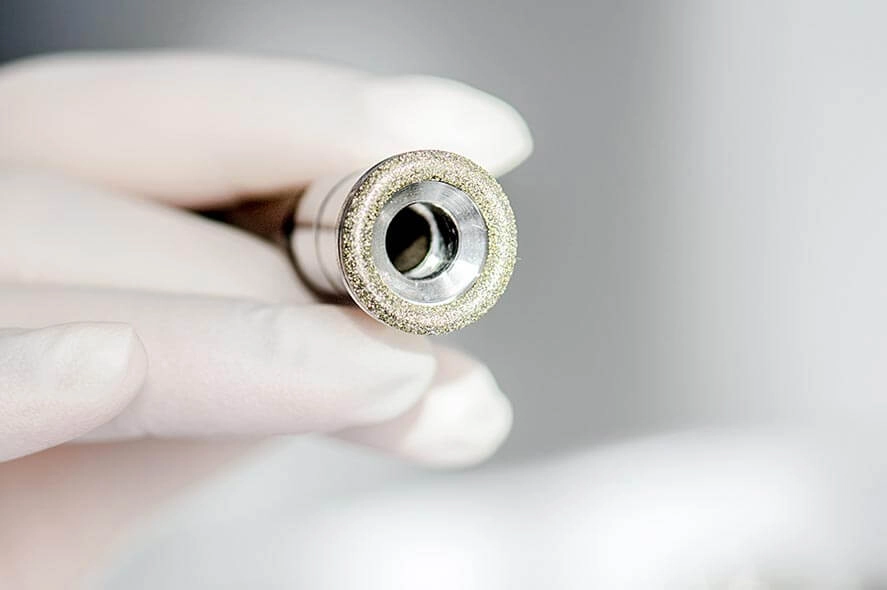
Microdermabrasion
This gentle exfoliation technique helps to smooth the outermost layer of the skin. While it does not reach the deeper layers where stretch marks form, it can improve the skin’s surface quality and prepare it for other treatments.
- Safe for all skin types
- Often integrated between sessions for ongoing maintenance
Combining Treatments for Better Results
Stretch marks rarely improve with a single treatment. Because each skin is different and each stretch mark evolves uniquely, the most effective approach often involves combining multiple technologies.
Some treatments work best in the early, red phase, while others are designed to remodel deeper layers once the marks have matured. When combined strategically, they can improve skin tone, texture and firmness more effectively and sustainably.
A personalized plan is essential to guide this process. During a clinical consultation, your provider will assess:
- The stage and appearance of the stretch marks
- Your skin tone and how it responds to stimulation
- The depth and location of the affected areas
- Your goals and tolerance for downtime
This plan can be adapted over time to match how your skin responds. The aim is not complete erasure, but real, visible improvement in both texture and overall appearance — leading to healthier, more confident skin.
Supporting Your Skin During Weight Loss: How to Minimize Stretch Marks
While stretch marks are not always preventable, certain daily habits can help support your skin and lower the risk during weight loss.
- Aim for gradual, steady weight loss
Rapid changes give the skin less time to adapt, increasing the chance of tearing. Slow, consistent progress is gentler on skin structure. - Stay hydrated, inside and out
Drink water throughout the day and apply a rich moisturizer daily. Look for ingredients like hyaluronic acid, ceramides or peptides to support elasticity. - Prioritize skin-supportive nutrition
Include vitamins C and E, zinc, high-quality proteins and omega-3s in your diet. These nutrients help maintain collagen and skin resilience. - Apply a targeted cream to high-risk areas
Moisturizing the abdomen, hips, thighs and arms helps protect the skin as your body changes. We recommend the Retexturing Body Cream by Functionalab, a rich and fast-absorbing formula that nourishes deeply and reinforces the skin barrier. - Consider actives like retinol
Retinol helps stimulate collagen and improve skin texture, but it must be used gradually and adapted to your skin’s tolerance. We recommend Functionalab’s Retinol 0.5% or 1%, both formulated with encapsulated pure retinol and soothing actives to minimize irritation while delivering visible results. When using retinol, it is important to also include SPF protection, as retinol increases skin sensitivity to UV damage. We recommend Functionalab Mineral Sunscreen SPF 50 to effectively reflect and disperse UVA and UVB rays, while neutralizing free radicals, the main culprits of skin damage. Book a consultation in clinic to determine the skincare routine best suited to your skin and goals. - Start early and be consistent
Daily care is more effective when started before or at the beginning of weight loss. Ongoing consistency helps support visible results.