Available in your clinic
Not available in your clinic
Face treatments
Body treatments
Hair Restoration Therapy
Available in your clinic
Not available in your clinic
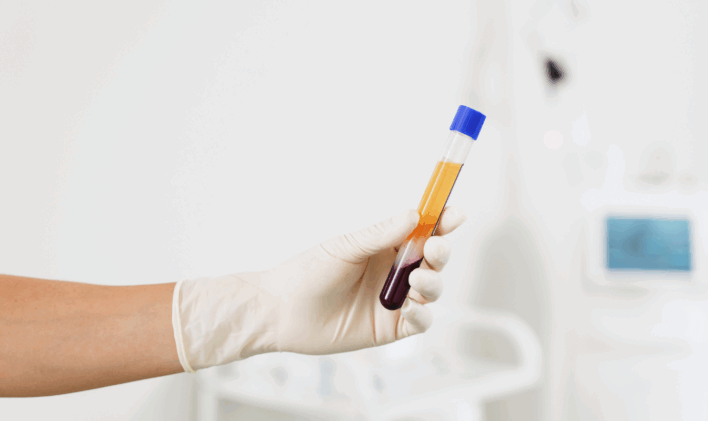
Platelet-Rich Plasma (PRP) therapy is an innovative treatment designed to combat hair loss in both men and women by harnessing the body’s natural healing processes. This minimally invasive procedure begins with drawing a small sample of the patient’s blood. The blood is then processed in a centrifuge, which separates and concentrates the platelets and growth factors from other blood cells and components.
These concentrated platelets, rich in healing properties, are injected into the scalp areas experiencing hair thinning or loss. The growth factors within the PRP stimulate dormant hair follicles, leading to improved hair density, quality, and regrowth. By utilizing the body’s own resources, PRP therapy offers a natural solution for those looking to revitalize their hair and enhance its overall health.
PRP can be applied to the scalp, hairline and balding spots.
Airdrie
BC Laser
(Beautiful Canadian Laser And Skincare Clinic)
Blainville
Brandon
(The Skin And Vein Centre)
Calgary Chaparral
Calgary Wildwood
Canmore
Chilliwack
Cowichan
Dieppe
Edmonton Downtown (Lucere)
Edmonton Riverbend
(Dr Marcia Hartt Medical Aesthetics)
Edmonton South (Lucere)
Fort McMurray YMM
Kamloops
(SKIN Kamloops)
Kelowna Central City
Kelowna Mission
(Okanagan Skin Care Centre)
Laval
Longueuil Old Longueuil
Longueuil-sur-le-parc
Mont-Tremblant
Montreal Outremont
Montreal Pointe-Claire
(Cosmedica)
Montreal Westmount
(MunkMD)
Newmarket
North Vancouver Westview
Old Montreal
Ottawa Beechwood Village
Project Skin MD
Ottawa Downtown
Ottawa Wellington Village (Concept Medical)
Parksville
(Longevity Medical Aesthetics & Laser)
Penticton
(Renew Laser & Skin Clinic)
Prince George
(SKIN Prince George)
Quebec Beauport
Quebec Ste-Foy
Saint-Lambert
Saint-Sauveur
Saskatoon
Sherbrooke
Sherwood Park
(Ethemba Health And Image)
South Surrey
Terrebonne
Toronto Don Mills
Toronto Midtown
Vancouver Davie
(Dermal Laser)
Vancouver Kerrisdale
Victoria
West Edmonton
Identifying your hair restoration goals is an important first step in the PRP treatment process. During your consultation, our specialists will take the time to understand your unique hair loss situation. We will look at various patterns of hair loss, including androgenetic alopecia, which affects both men and women, temporary hair loss that can arise from stress or hormonal changes, patchy hair loss known as alopecia areata, and thinning that may result from postpartum changes or medical treatments like chemotherapy.
In addition to assessing your hair loss patterns, we will discuss your medical history and any current medications. It is important to note that, for optimal safety and effectiveness, you should discontinue the use of blood thinners, such as aspirin and ibuprofen, at least one week prior to your treatment, with the approval of your medical doctor. By addressing these factors, we can craft a personalized treatment plan tailored to your specific needs, determining the best strategies to encourage hair regrowth and how many treatment sessions will be necessary to help you achieve the results you desire.
Before starting the treatment, we will take baseline photographs of your scalp and hair density. These images serve as a reference for evaluating the effectiveness of the treatment over time, allowing you to visualize your progress.
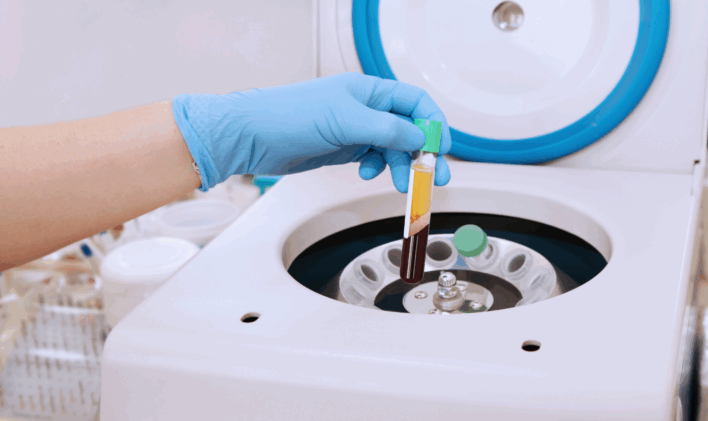
The PRP procedure begins with a blood draw, where a small blood sample is taken from the patient. This sample is then processed in a centrifuge to isolate the platelet-rich plasma from the other blood components. During this process, any blood thinners in a patient’s system can influence the treatment, so it’s essential to discuss any medications with your healthcare provider beforehand.
Once the PRP is prepared, it is injected into the scalp using a micro-injection gun, ensuring precision in targeting the areas of hair thinning or loss. Each session typically lasts about 30 to 60 minutes. While some patients may experience mild discomfort during the injections, a numbing cream is applied prior to the procedure to minimize any sensation. The concentrated growth factors in the PRP stimulate cell growth and rejuvenate hair follicles, promoting healthier and denser hair.
PRP therapy requires minimal downtime. Patients may experience slight redness or swelling at the injection sites, but these effects typically resolve within a few hours. Most individuals can resume their daily activities immediately after treatment, though it’s advisable to avoid vigorous exercise, wearing a hat and direct sun exposure for the first 24 hours.
Pricing for PRP therapy varies based on the number of sessions required and the extent of the treatment area. Please consult with our team for a personalized quote tailored to your needs.
For optimal results, PRP therapy is usually administered in a series of 4 sessions, spaced every 2 weeks. After the initial treatment phase, maintenance sessions are recommended every 6 months to sustain hair growth and density. Our team will monitor your progress and adjust your treatment plan as needed to ensure the best outcomes.
PRP therapy should be postponed if you have any active scalp infections, sores, or rashes, as these conditions may hinder healing. Individuals who are pregnant or nursing should also delay treatment until after breastfeeding.
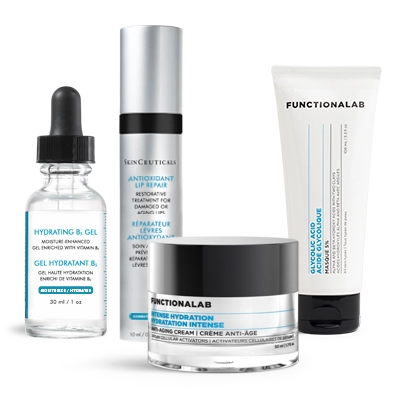
Shop our products for an enhanced beauty routine!
Platelet-rich plasma (PRP) is a concentrated component of blood that is rich in platelets and growth factors. It is obtained by drawing a small sample of a patient’s blood, which is then processed in a centrifuge to separate the platelets from other blood components. The resulting PRP contains a higher concentration of platelets than normal blood, which are known for their healing properties and ability to promote tissue regeneration. In medical aesthetics, PRP is commonly used to stimulate hair growth, improve skin texture, and enhance healing in various treatments.
PRP (Platelet-Rich Plasma) therapy is an effective solution for various types of hair loss, such as androgenetic alopecia. It can also address patchy hair loss, postpartum shedding, and hair loss due to chemotherapy or autoimmune conditions. The treatment works by stimulating hair follicles and enhancing the natural hair growth cycle, leading to improved hair thickness and density over time. While results can differ from person to person, PRP is especially useful for individuals experiencing thinning hair or early signs of hair loss, rather than those with complete baldness. To maximize benefits, it’s important to follow a customized treatment plan with regular sessions.
PRP therapy is widely regarded as a safe option for hair restoration. The procedure is carried out in a sterile environment, where a blood sample is drawn and processed to isolate the platelet-rich plasma, which is then re-injected into the scalp. This careful approach not only minimizes health risks but also enhances the overall safety of the treatment.
Additionally, since PRP therapy involves no foreign substances, the likelihood of allergic reactions is minimal. While some patients may experience mild side effects, such as temporary swelling or bruising at the injection sites, these effects generally resolve quickly. In summary, PRP therapy offers a safe and effective alternative for those looking to tackle hair loss without the associated risks of other treatments.
PRP hair treatment results can last up to 12 months, but maintenance sessions every 6 to 12 months are typically recommended to sustain hair growth and density. The duration of the results depends on factors such as individual response to treatment and the progression of hair loss.
PRP hair treatment is generally well-tolerated and not considered painful. Most patients report only mild discomfort during the procedure. To enhance comfort, a numbing cream is applied to the scalp before the treatment begins, minimizing any sensations. Additionally, the use of a micro-injection gun allows for precise injections, further reducing discomfort.
Recovery time following the treatment is typically short; patients may experience slight redness or swelling in the treated areas for a few hours to a couple of days, but these side effects usually resolve quickly, allowing individuals to resume normal activities shortly thereafter.
4 initial PRP sessions are recommended, spaced about 2 weeks apart. After the initial phase, maintenance treatments every 6 months help sustain optimal hair growth and density.
Yes, PRP therapy can be effectively combined with other hair loss treatments to enhance results. Treatments like laser therapy, topical solutions, and specialized scalp care (e.g., HydraFacial Keravive) can work alongside PRP to target multiple factors contributing to hair loss. By combining therapies, you can address hair thinning from different angles, promoting stronger follicles, better scalp health, and improved hair regrowth. A personalized treatment plan, designed by a specialist, ensures the best outcomes tailored to your individual hair restoration goals.
PRP therapy is generally considered safe, as it uses the patient’s own blood, which minimizes the risk of allergic reactions or infections. However, like any medical procedure, it can carry some risks and potential side effects. Common side effects include mild pain at the injection site, swelling, redness, or bruising. These effects typically resolve within a few days.
In rare cases, patients may experience more serious complications such as infection or nerve damage. Additionally, individuals with certain conditions, such as blood disorders or those taking blood thinners, should consult their healthcare provider before undergoing PRP therapy to assess any specific risks. Overall, most patients tolerate the treatment well and find the benefits outweigh the potential downsides.
PRP injections can be used in various areas within aesthetic medicine, including:
Welcome! Munk MD is now
Dermapure Montreal
Our commitment remains unwavering. Same clinics, doctors, and staff. Step in with confidence; your well-being is our constant dedication
Welcome! Dr.Karen O’Neill Cosmetic Dermatology is now
Dermapure Mississauga Erin Mills
Our commitment remains unwavering. Same clinics, doctors, and staff. Step in with confidence; your well-being is our constant dedication
Welcome! Laser Skin Vein is now
Dermapure Brandon
Our commitment remains unwavering. Same clinics, doctors, and staff. Step in with confidence; your well-being is our constant dedication
Welcome! Ancaster Dermatology is now
Dermapure Ancaster
Our commitment remains unwavering. Same clinics, doctors, and staff. Step in with confidence; your well-being is our constant dedication
Welcome! SKIN Prince George is now
Dermapure Prince George
Our commitment remains unwavering. Same clinics, doctors, and staff. Step in with confidence; your well-being is our constant dedication
Welcome! Skinpossible is now
Dermapure Calgary Chaparral
Our commitment remains unwavering. Same clinics, doctors, and staff. Step in with confidence; your well-being is our constant dedication
Welcome! Longevity Medical is now Dermapure Parksville!
Our commitment remains unwavering. Same clinics, doctors, and staff. Step in with confidence; your well-being is our constant dedication.
Welcome! Dermal Laser Centres is now Dermapure!
Our commitment remains unwavering. Same clinics, doctors, and staff. Step in with confidence; your well-being is our constant dedication.
Welcome! ReNue clinic is now Dermapure!
Our commitment remains unwavering. Same clinics, doctors, and staff. Step in with confidence; your well-being is our constant dedication
Welcome! Rosenthal Clinic is now
Dermapure Victoria
Our commitment remains unwavering. Same clinics, doctors, and staff. Step in with confidence; your well-being is our constant dedication
Welcome! Skinpossible is now
Dermapure Calgary Chaparral
Our commitment remains unwavering. Same clinics, doctors, and staff. Step in with confidence; your well-being is our constant dedication
Welcome! Viva Medical Aesthetics is now
Dermapure Cowichan!
Our commitment remains unwavering. Same clinics, doctors, and staff. Step in with confidence; your well-being is our constant dedication
Welcome! Dr. Boulous Medical Spa is now
Dermapure Newmarket!
Our commitment remains unwavering. Same clinics, doctors, and staff. Step in with confidence; your well-being is our constant dedication
Welcome! Bellissima Medical is now
Dermapure Dieppe!
Our commitment remains unwavering. Same clinics, doctors, and staff. Step in with confidence; your well-being is our constant dedication
Welcome! Peause is now
Dermapure Longueuil-sur-le-parc
Our commitment remains unwavering. Same clinics, doctors, and staff. Step in with confidence; your well-being is our constant dedication
Welcome! RevitalizeMD is now
Dermapure West Edmonton!
Our commitment remains unwavering. Same clinics, doctors, and staff. Step in with confidence; your well-being is our constant dedication