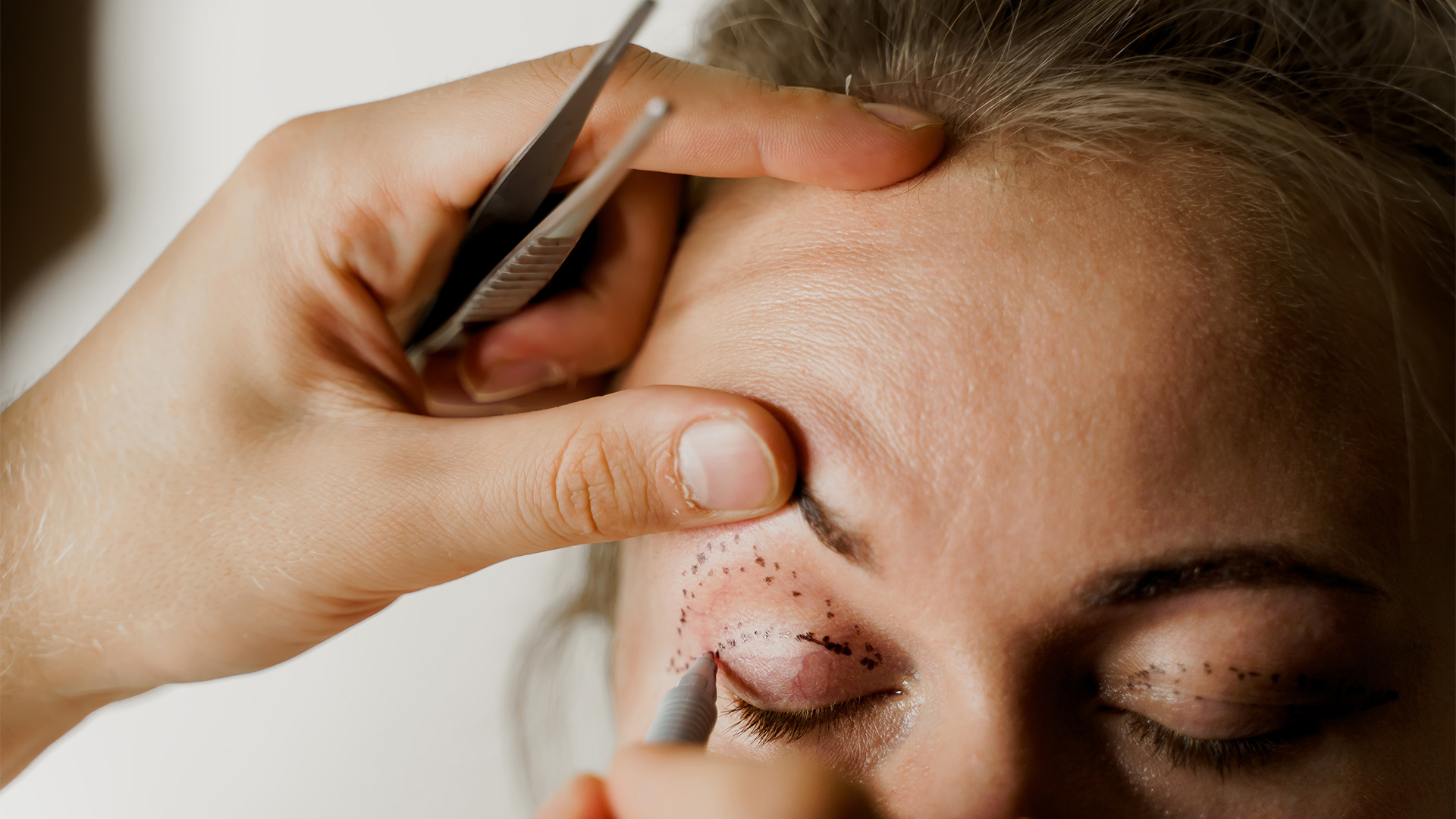
Upper blepharoplasty is a surgical procedure that addresses structural changes affecting the upper eyelids. Over time, or due to genetic predisposition, the skin and supporting tissues around the eyes can lose firmness, allowing excess skin to accumulate. These changes may contribute to concerns such as hooded or heavy eyelids. The incision is typically placed within the natural crease of the eyelid, allowing the surgeon to remove or reposition excess skin and fatty tissue while keeping the incision discreet once healed.
At Dermapure Pointe-Claire, upper blepharoplasty may be considered to address these anatomical changes through a carefully planned surgical approach. The procedure focuses on adjusting the contours of the eyelids by removing or excess tissue while taking into account the natural structure of the eye area.
Each procedure begins with a detailed consultation to evaluate eyelid anatomy and determine the most appropriate treatment approach.
Exosome therapy may be considered as a complementary treatment following blepharoplasty to support the skin’s natural recovery process. Exosomes are signaling molecules involved in cellular communication and tissue repair. When incorporated into a post-procedure protocol, they may help support skin regeneration and overall skin quality during the healing phase. Whether this advanced add-on is appropriate will be determined during your consultation.
The process begins with an in-clinic consultation with the surgeon. During this appointment, the eyelid anatomy, skin quality, and overall facial balance are evaluated. Your medical history, current medications, and treatment goals are reviewed to determine whether blepharoplasty is appropriate and which surgical approach may be recommended.
Prior to the procedure, certain measures may be recommended to help prepare for surgery and support a safe outcome. These may include:
Blepharoplasty is performed in a surgical setting under local anesthesia. The surgeon makes precise incisions in discreet locations, such as within the natural crease of the upper eyelid to access and adjust excess skin or fatty tissue. An upper blepharoplasty typically takes about 45 minutes to one hour.
Swelling and bruising around the eyes are common after blepharoplasty and typically improve within one to two weeks. Small stitches may be placed in the upper eyelids and are usually removed after about one week. Patients return home the same day and are advised to rest and limit activities for several days. Many people feel comfortable resuming public activities after 10 to 14 days, although full healing may take several months. Your surgeon will provide detailed aftercare instructions and schedule follow-up appointments to monitor recovery.
Post-procedure skincare can play an important role in supporting skin recovery and maintaining overall skin quality. This advanced serum combines plant-derived exosomes, growth factors, and coenzyme NAD⁺ to help improve the appearance of skin texture, radiance, and smoothness. Its lightweight formula is suitable for all skin types and may be used as part of a daily skincare routine to support the skin following aesthetic treatments.
Blepharoplasty is generally considered safe for healthy adults seeking to address concerns such as excess eyelid skin. However, certain medical conditions may increase surgical risks and should be discussed during the consultation, including eye conditions such as glaucoma, severe dry eyes, or retinal disorders, thyroid disorders (e.g., Graves’ disease, hypothyroidism, hyperthyroidism), cardiovascular disease or high blood pressure and diabetes. It is also important for patients to have realistic expectations, as blepharoplasty addresses structural changes of the eyelids but does not alter facial structure or correct natural asymmetries.
As with any surgical procedure, blepharoplasty involves potential risks and complications. These may include swelling, bruising, infection, temporary dryness or irritation of the eyes, and changes in eyelid sensation. In rare cases, other complications such as scarring or difficulty fully closing the eyes may occur. A thorough medical evaluation and discussion with a qualified surgeon are essential to review individual risk factors, medical history, and the most appropriate treatment approach.

Shop our products for an enhanced beauty routine!
Visit The Online StoreUpper blepharoplasty addresses excess skin upper eyelids, which may contribute to concerns such as hooded eyelids. However, it does not treat dark circles caused by pigmentation, crow’s feet, or other facial wrinkles, which may require different treatments depending on the underlying cause.
Blepharoplasty does not stop the natural aging process, but the improvements are generally long-lasting. Results from upper eyelid surgery may last many years. The longevity of results can vary depending on factors such as genetics, skin quality, and lifestyle habits, including sun protection and overall skin care.
There is no specific age for blepharoplasty. The procedure is usually considered when excess skin begin to affect the appearance or function of the eyelids. While many patients seek treatment in their 30s or 40s, candidacydepends more on eyelid anatomy, skin quality, and overall health than on age alone.
Blepharoplasty is generally well tolerated. The procedure is performed under appropriate anesthesia—most often local anesthesia - meaning patients are awake but relaxed and comfortable. Most people report mild discomfort rather than significant pain. Swelling, bruising, or temporary tightness around the eyes may occur during the first days of recovery.
In some cases, non-surgical treatments may help improve the appearance of hooded eyelids or mild skin laxity around the eyes. These approaches focus on tightening the skin, stimulating collagen, or supporting the brow position using technologies such as laser, radiofrequency, ultrasound, or injectable treatments. However, they do not replace surgical blepharoplasty when significant excess skin is present. A consultation helps determine the most appropriate option.
813 – 1 Av. Holiday, Pointe-Claire, QC H9R 5N3
Phone
438 892-6396
Monday
9:00 AM - 5:00 PM
Tuesday
9:00 AM - 5:00 PM
Wednesday
9:00 AM - 5:00 PM
Thursday
9:00 AM - 5:00 PM
Friday
9:00 AM - 5:00 PM
Saturday
CLOSED
Sunday
CLOSED