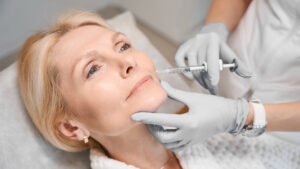
In 2025, the aesthetic world is turning its focus to one of the most advanced regenerative treatments yet: exosomes. Known for their incredible ability to repair, rejuvenate, and restore skin and hair, exosomes are quickly becoming the go-to solution for those looking to achieve youthful, radiant skin and fuller, healthier hair. But what exactly are exosomes, and how do they compare to other treatments? Let’s dive in.
Why Exosomes Are the Future of Aesthetic Medicine
Exosomes are revolutionizing non-invasive skin and hair rejuvenation, offering a next-generation approach to cellular repair and regeneration. By delivering a powerful concentration of growth factors, bioactive molecules, and signaling proteins, they enhance collagen production, skin renewal, and follicular regeneration—all without the need for surgery or extended downtime.
But what truly sets exosomes apart is their ability to “read” and respond to the environment. They are not active in healthy, undisturbed skin—they are activated by inflammation. This makes them the perfect complement to aesthetic procedures that trigger a controlled healing response.
Whether you’re looking to smooth fine lines, restore skin elasticity, boost radiance, or combat hair thinning, exosome therapy is redefining aesthetic treatments in 2025 and beyond. As an advanced complement to microneedling RF, laser resurfacing, and other regenerative procedures, exosomes maximize results and accelerate recovery for a naturally refreshed, youthful appearance.
What Are Exosomes?
Dr. Roni Munk, Cosmetic Dermatologist at Dermapure Westmount, shares his excitement about the advancements in exosome technology and its growing role in aesthetic care—both in his clinic and across the Dermapure network.
Exosomes are tiny extracellular vesicles that act as messengers in intercellular communication, helping human cells coordinate essential biological processes like tissue repair and regeneration. They are naturally released by stem cells in response to inflammation or injury, and carry a rich cargo of proteins, growth factors, lipids, nucleic acids, and micro-RNA.
In aesthetic medicine, exosomes are particularly valued for their ability to stimulate fibroblast activity, boosting collagen and elastin production, accelerating tissue healing, and enhancing post-treatment recovery. Think of them as small but powerful signaling vehicles that guide the skin’s natural repair response, improving cell function, immune modulation, and overall rejuvenation after procedures like microneedling or laser therapy.
Sources of Exosomes
There are three main Sources of Exosomes:
- Stem cell-derived – Extracted from human or animal cells.
- Plant-derived – Sourced from botanical cells, including fruits, roots, or flowers.
- Synthetic – Artificially created in laboratory environments for research purposes.
At Dermapure, we exclusively use plant-based exosomes extracted from rose stem cells, carefully formulated for safe and effective use on the skin. These rose-derived exosomes are rich in active molecules that help calm inflammation, support skin healing, and improve overall skin quality. Known for their excellent compatibility with the skin, they are a natural and high-performing choice, fully approved in Canada.
How Does Exosome Therapy Work?
Exosomes support the skin’s natural repair process by improving how cells “talk” to each other. They act like messengers, delivering signals that encourage healing, collagen production, and regeneration. But here’s the key: exosomes are only active when the skin needs repair.
They don’t do much on calm, healthy skin. Instead, they respond to inflammation or stress—exactly what happens after aesthetic treatments like microneedling, fractional laser, or JetPeel. These treatments create micro-injuries that kick-start a natural healing response in the skin.
Applying exosomes at this precise moment makes all the difference. The skin is already in repair mode, and exosomes amplify that process:
- They boost fibroblast activity, which increases collagen and elastin production,
- They calm inflammation to reduce redness and discomfort,
- And they accelerate the recovery process, helping the skin bounce back faster, especially after more intense procedures like CO₂ laser, where downtime can be significantly reduced.
But beyond faster healing, exosomes also enhance the visible results of your treatment. By supporting deeper regeneration, they improve skin texture, firmness, and radiance, making your results not only come sooner, but also last longer and look better.
In other words, exosomes don’t replace your treatment, they make it work even harder for your skin.
How Are Exosomes Used in Aesthetic Medicine?
SKIN REJUVENATION
When applied immediately after treatments like microneedling, fractional laser, Clear + Brilliant, or JetPeel, exosomes amplify the skin’s natural regeneration process. These procedures create a window of opportunity, activating the skin’s repair response, where exosomes can deliver their full potential.
By releasing targeted bioactive molecules directly into the extracellular space, exosomes enhance fibroblast activity and boost collagen and elastin production. This results in visible improvements in skin texture, tone, firmness, and radiance while helping reduce fine lines, wrinkles, and uneven pigmentation.
Whether you’re looking to refresh dull skin or maintain youthful firmness, exosomes act as high-performance allies to elevate your results and improve your skin’s overall quality.
HAIR RESTORATION
Exosomes are a promising option for hair restoration, particularly for those experiencing hair thinning or early-stage hair loss. When applied to the scalp after microneedling, JetPeel, or other regenerative treatments, they help stimulate dormant hair follicles, extend the growth phase of the hair cycle, and improve overall scalp health.
By optimizing cell signaling and reducing inflammation, exosomes support stronger, thicker, and healthier hair growth over time.
Emerging evidence also suggests that exosomes may play a role in supporting melanocyte activity in the hair bulb, potentially contributing to the prevention or gradual reversal of graying by reactivating pigment production.
POST-TREATMENT HEALING
Exosomes play a key role in post-procedure recovery, helping to reduce downtime and accelerate healing after treatments like laser therapy, microneedling, and radiofrequency. Their anti-inflammatory and regenerative properties minimize redness, irritation, and oxidative stress, promoting faster skin recovery and better overall treatment outcomes.
Exosomes vs. PRP: Which is the Better Regenerative Treatment?
Both exosomes and PRP (Platelet-Rich Plasma) are used to support skin and hair regeneration, but they differ significantly in their origin and consistency.
PRP is derived from the patient’s own blood and contains platelets and growth factors. While it can be effective, its performance often varies depending on age, health, and other personal factors.
Exosomes offer a more advanced, cell-free approach. Rich in growth factors, microRNAs, and other powerful signaling molecules, they deliver consistent and targeted regenerative support without relying on patient variability.
By improving intercellular communication and acting precisely where the skin or scalp needs support, exosomes provide a more predictable and elevated regenerative experience.
How Do Exosomes Compare to Other Treatments?
- Exosomes vs. Retinol: Retinol works on the skin’s surface, while exosomes work deeper to support cell-to-cell communication and regeneration.
- Exosomes vs. Neuromodulators: Neuromodulators relax muscles to smooth wrinkles, while exosomes target the skin itself to improve quality, texture, and firmness biologically.
Together, these comparisons highlight how exosomes stand out as a regenerative option that complements — rather than replaces — other treatments in a full aesthetic plan.
How Many Sessions Do I Need?
Most patients notice results after just one session, but a series of 2–3 treatments provides optimal, longer-lasting improvements. Your provider will recommend a personalized plan based on your goals and skin condition.
Because exosomes stimulate natural repair, improvements build gradually, meaning results continue to enhance over the weeks following treatment.
What to Expect After Treatment?
Exosome treatments require little to no downtime. You may be advised to avoid harsh products or treatments for a few days post-procedure to allow your skin to fully absorb the benefits.
This convenience makes exosomes especially appealing to patients with busy schedules who want noticeable results without extended recovery.
Are Exosomes Only Available In-Clinic?
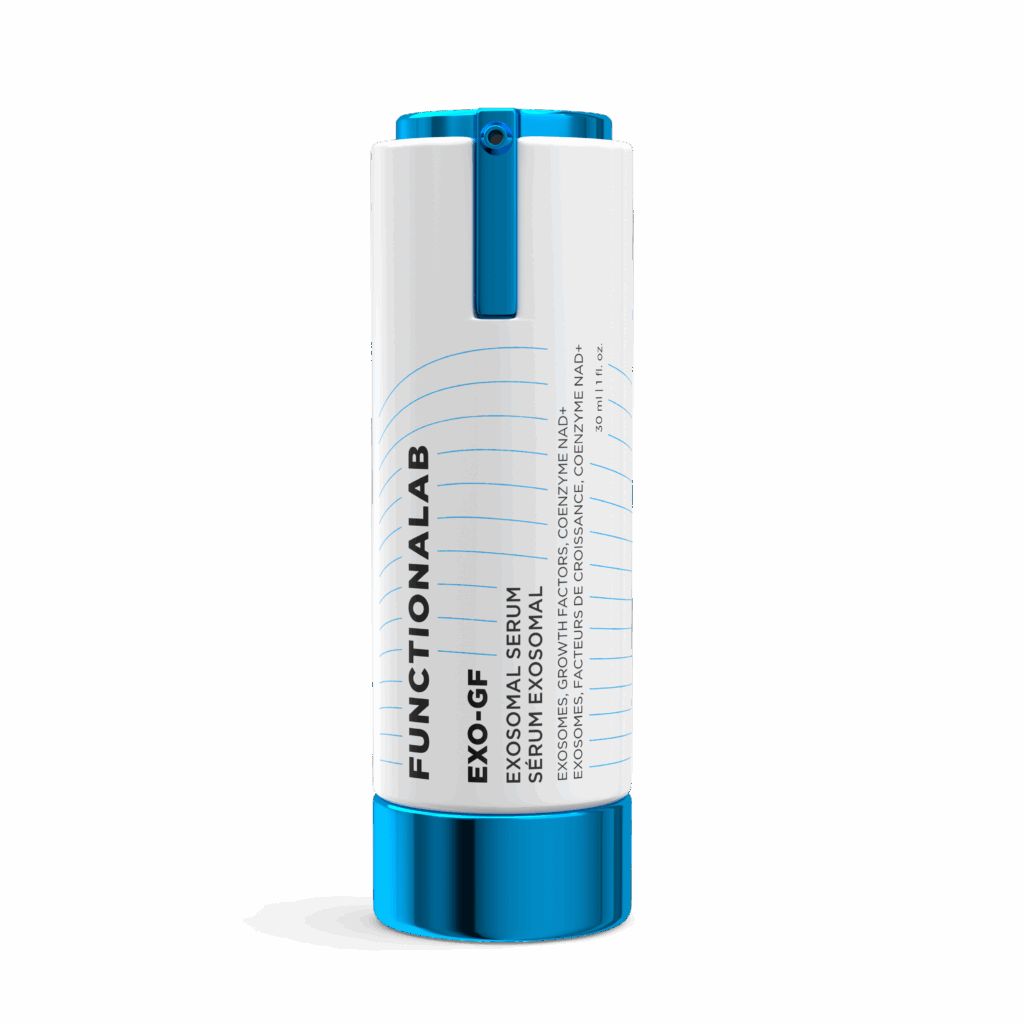
Not anymore. In addition to in-clinic treatments, you can now bring exosome science home with Functionalab EXO-GF Serum — a first-of-its-kind formula powered by billions of plant-based exosomes and growth factors.