Over time, the lower stomach can become a difficult area to tone and redefine. After pregnancy, major weight loss or as part of the natural aging process, the skin and tissues in this region may stretch and stop responding to regular healthy habits. When this happens, the lower abdomen can begin to fold over itself and feel heavier or looser than the rest of the body.
These changes can affect more than appearance. They may influence posture, physical comfort and the way clothing fits, often leading to frustration or a sense of disconnect between how you feel and what you see. Even with a balanced lifestyle, some areas of the body simply do not recover without additional support.
In this article, we will explore what causes these visible changes in the lower abdomen, what is commonly referred to as an apron belly, and how both non-surgical and surgical treatment options can help address it safely and effectively.
What Is an Apron Belly?
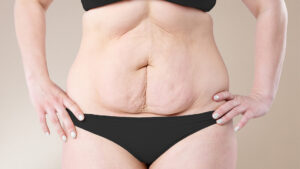
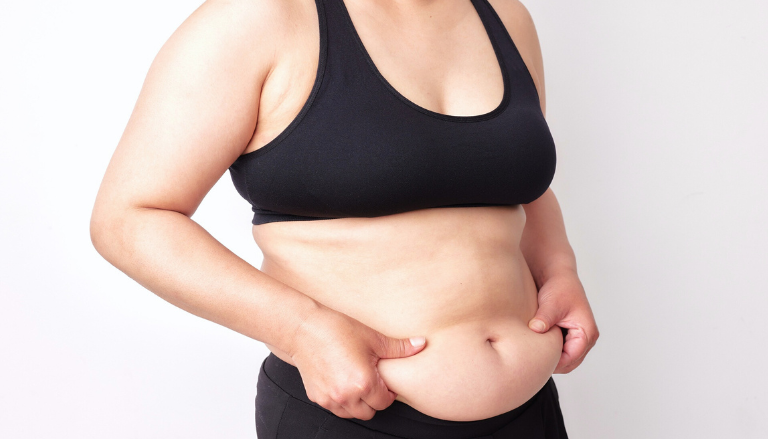
An apron belly, also called a panniculus or sometimes a “mother’s apron,” refers to the excess skin and fat that hangs over the lower abdomen. Its size can vary. In some cases, it may rest just below the waistline, while in others it can extend further, even reaching the upper thighs.
This fold of tissue is soft and often difficult to manage through lifestyle changes alone. Beyond its appearance, it can sometimes affect comfort and movement. In more pronounced cases, it may contribute to lower back strain or make daily activities more difficult.
Because the skin folds over itself, the area can also trap heat and moisture. When not properly ventilated or cleansed, this can lead to irritation and, in some cases, skin infections. While not dangerous, these symptoms can impact quality of life and may be improved with the right treatment plan.
Why Does Apron Belly Develop?
An apron belly forms when the skin and underlying tissues in the lower abdomen are stretched beyond their natural ability to recover. Over time or after major physical changes, the area may lose firmness, elasticity and support. This can lead to visible skin folding, heaviness or sagging in the lower abdomen, even in individuals who are otherwise healthy and active.
Several factors contribute to this change in body structure.
Pregnancy and Abdominal Changes
During pregnancy, the body adapts quickly to support the growing baby. This includes a natural stretching of the abdominal wall, skin and connective tissue. After birth, the skin does not always return to its original state, especially when changes have happened rapidly or over multiple pregnancies. The abdominal muscles may also weaken or separate, reducing internal support and allowing the skin to fold more easily over time.
Major or Rapid Weight Loss
When weight is gained, the skin stretches to accommodate the increase in volume. If that weight is later lost quickly, whether through strict dieting or medications such as Ozempic or Wegovy, the skin may not have enough time to adapt and retract. In the lower abdomen, this can lead to loose or heavy tissue that folds over itself, especially if skin elasticity is already reduced. Repeated weight fluctuations over time can make it even more difficult for the skin to recover fully.
Natural Skin Aging and Genetics
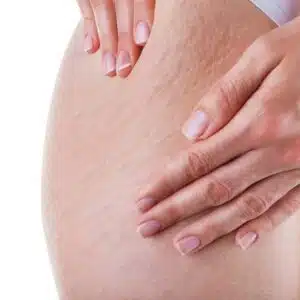
With age, the body produces less collagen and elastin, two key proteins that help the skin stay firm and resilient. As these levels decline, the skin becomes thinner and less able to support itself, particularly in areas like the abdomen where gravity and movement add stress. Genetic factors also play a role. Some people are naturally more prone to skin laxity or fat retention in the lower stomach, regardless of their lifestyle.
Can You Get Rid of an Apron Belly Without Surgery?
In many cases, non-surgical treatments can help improve the appearance of an apron belly by restoring firmness, improving tone and redefining the abdominal area. These options are most effective when skin laxity is mild to moderate and are often combined with healthy lifestyle habits such as movement, hydration and targeted skincare.
However, non-surgical treatments do not remove large amounts of excess skin. In more severe cases, especially when the apron belly is pronounced and affects daily comfort, surgery may be the most appropriate and effective solution. A professional consultation is essential to determine whether non-invasive technologies are suitable or if a surgical approach would lead to better, longer-lasting results.
What Can a Personalized Treatment Plan Include?
Because apron belly can involve multiple layers — skin, fat and muscle — the most effective non-surgical approach often combines several technologies. A personalized plan allows us to treat each layer safely, without surgery or downtime, based on your skin condition, body goals and comfort level.
To Improve Skin Firmness and Elasticity
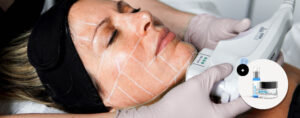
Skin laxity is one of the most common concerns with apron belly. To address this, energy-based technologies help stimulate collagen and improve the skin’s ability to support itself over time.
- Morpheus8 or Endymed Pro (RF microneedling): deep collagen remodeling and texture refinement
- Thermage: targeted radiofrequency to tighten existing fibers and boost new collagen
- Venus Freeze: gentle heating to improve elasticity and circulation
- EMTONE: radiofrequency with acoustic waves to treat both surface laxity and deeper tissue quality
To Strengthen and Tone Abdominal Muscles
When the abdominal wall is weakened, especially post-pregnancy or after major weight changes, muscle toning technologies can rebuild strength and improve core stability.
- Emsculpt: electromagnetic stimulation to trigger supramaximal muscle contractions
- Emsculpt NEO: combines muscle stimulation with fat reduction
- Electone: targeted electrostimulation to activate deep core muscles
To Reduce Localized Fat Deposits
If stubborn fat contributes to the heaviness or shape of the apron belly, non-invasive contouring technologies can help refine the area by reducing fat cells selectively.
- CoolSculpting: cryolipolysis to freeze and eliminate fat cells
- SculpSure: laser-based heating to disrupt fat cells while preserving surrounding tissue
Combining Technologies for Better Results
Each of these treatments has its own benefit, but they are often most effective when used in combination. For example, strengthening the core with Emsculpt while tightening the skin with Morpheus8 can lead to a firmer, more supported midsection. Fat reduction treatments like CoolSculpting may also be added to complete the result.
A consultation is the best way to build a plan that reflects your body’s needs and ensures that each step is adapted to your skin, your goals and your timeline.
When Is Surgery the Right Option?
In some cases, non-surgical treatments may not be enough to fully address an apron belly, especially when the excess skin and tissue is more advanced. If the fold is pronounced, persistent or causing discomfort, a surgical procedure may be the most appropriate and effective solution. Surgery is also considered when muscle separation or extensive skin laxity affects function, not just appearance.
While Dermapure does not perform surgical procedures, our team can assess your situation and help you determine whether surgery is the better path forward. If needed, we will refer you to trusted medical partners who specialize in body contouring surgery and can guide you through the process safely.
Tummy Tuck: Mini, Full, Extended or Circumferential
A tummy tuck, also known as abdominoplasty, is a surgical procedure that removes excess skin and fat from the abdominal area and often includes the repair of weakened or separated abdominal muscles. This surgery helps flatten and firm the stomach, especially when the skin has lost its ability to retract on its own.
There are different types of tummy tucks depending on the extent of correction needed. A mini tummy tuck targets only the area below the navel. A full tummy tuck addresses the entire abdominal wall. Extended and circumferential tummy tucks go even further, removing excess tissue from the sides or around the waistline when necessary. Recovery varies but generally requires several weeks of limited activity, with gradual results as swelling subsides.
Panniculectomy: What’s the Difference?
A panniculectomy is another type of abdominal surgery that focuses solely on removing the excess skin and fat that forms the apron belly. Unlike a tummy tuck, this procedure does not involve tightening the abdominal muscles or reshaping the waistline. Its goal is to relieve discomfort caused by the overhanging tissue, improve hygiene and reduce skin irritation in the fold.
While both procedures address excess tissue in the lower abdomen, the tummy tuck is more comprehensive and aesthetic, whereas the panniculectomy is often functional or medically indicated. The choice between the two depends on the severity of the apron belly, your physical symptoms and the most appropriate clinical approach for your body.
Are You a Good Candidate for Non-Surgical Treatments?
Non-surgical treatments can be highly effective when the skin shows mild to moderate laxity, and when there is no significant excess that would require surgical removal. These technologies are best suited for individuals who are in good general health, close to a stable weight, and looking to improve firmness, tone or definition without surgery or downtime.
They are also ideal if you prefer a gradual, progressive approach and are willing to follow a personalized plan that may include multiple sessions. Realistic expectations are essential, as non-surgical options can significantly improve the appearance of the abdominal area but do not replace the results of a surgical procedure in more advanced cases.
If you are postpartum, it is generally recommended to wait a few months after childbirth before starting any abdominal treatment. This allows your body to recover naturally and ensures that any interventions are safe and effective. A consultation will help determine if non-surgical treatments are appropriate for your skin condition and goals, or if a surgical referral should be considered.
Book a Personalized Consultation to Find the Right Plan for You
Every body is different, and so is every treatment approach. Whether you’re dealing with early signs of skin laxity or a more advanced apron belly, the first step is a personalized evaluation. At Dermapure, we take the time to assess your skin quality, abdominal structure and overall needs to determine if non-surgical options are likely to offer the results you’re looking for.
If a surgical approach is more appropriate, our team will guide you with honesty and transparency and refer you to trusted medical partners when necessary. Our priority is to help you make informed decisions about your body — safely, realistically and with long-term outcomes in mind.
Booking a consultation is the best way to explore your options and define a treatment plan that fits your body, your comfort level and your goals.