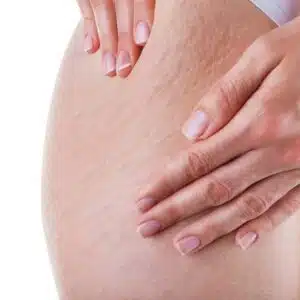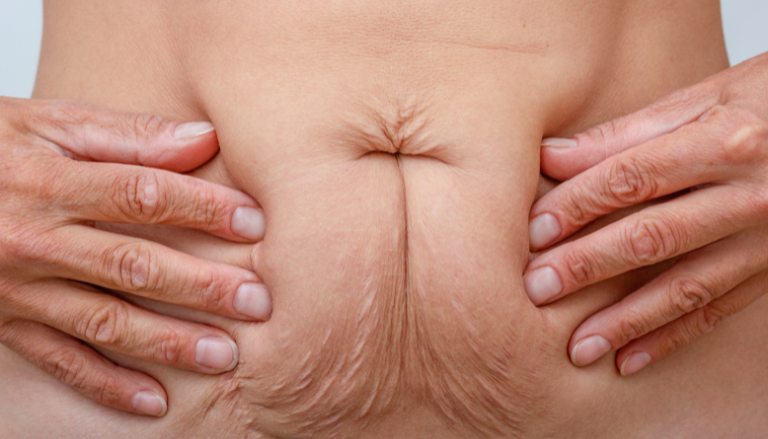
Loose belly skin is something many women notice after pregnancy, even when they’ve taken great care of their body. Your skin has stretched to support life, and that journey can leave lasting marks. You might notice a softer texture, less firmness, or simply feel like your belly no longer responds the way it used to.
If that sounds familiar, you’re far from alone. Studies show that close to 70 percent of new mothers experience some degree of abdominal skin laxity within the first months after giving birth. And while this change is natural, it can still feel unfamiliar or even frustrating as you try to reconnect with your body.
In most cases, the skin gradually improves. But when looseness becomes more noticeable or doesn’t fade with time, it’s completely valid to seek solutions. Whether you’re early in your postpartum recovery or looking for support years later, gentle and effective options are available.
In this article, we’ll explore how to care for your belly skin during and after pregnancy.
Understanding Why Belly Skin Loses Firmness After Pregnancy
Loose skin after pregnancy is extremely common. It doesn’t mean you’ve done anything wrong. It simply reflects what your body has gone through. Several factors work together to influence how your belly looks and feels after giving birth. Here’s what really happens in your skin, muscles, and recovery process.
Structural Skin Changes
During pregnancy, the skin stretches gradually to make room for your growing baby. This process affects the collagen and elastin fibers that normally give the skin its firmness and ability to rebound. When the skin is stretched too far or too quickly, these fibers may become weakened or damaged. After childbirth, they don’t always return to their original shape, which can leave the skin looking softer or looser.
At the same time, your hormone levels shift dramatically. Estrogen, which helps keep skin thick, elastic and hydrated during pregnancy, drops significantly after birth. This decline can slow down collagen renewal and leave the skin more fragile and less able to repair itself.
Another hormone, relaxin, increases during pregnancy to help loosen the ligaments and connective tissues, especially around the pelvis and abdomen. While this softening is necessary for childbirth, it may also reduce tension and firmness in the abdominal wall. After delivery, that sense of support doesn’t return right away.
Muscle and Core Weakness
Under the skin, pregnancy also affects the abdominal muscles. Diastasis recti, a separation of the abdominal wall, is very common. It weakens core support and can leave the belly looking more relaxed, even when weight has returned to normal. Without strong muscles beneath, the skin can appear even more lax.
Weight and Volume Fluctuations
Gaining more weight than expected during pregnancy or losing it very quickly afterward can affect skin tone. These changes may leave the skin overstretched or “empty,” especially if muscle tone has not yet returned. What seems like loose skin may also include a mix of soft tissue and retained fat.
Biological and Individual Factors
Skin doesn’t respond the same way for everyone. Age, skin type, and genetics all influence recovery. Skin tends to lose elasticity with age, and some people are more prone to visible laxity due to inherited factors. If you’ve had multiple pregnancies, the skin has undergone several cycles of stretching, which can slow down the natural rebound process.
Lifestyle and Recovery Challenges
The early postpartum period is physically and emotionally demanding. Lack of sleep, stress, poor hydration, and irregular meals can all impact the body’s ability to heal. These challenges reduce collagen production and delay both skin and muscle recovery. Even when you’re doing your best, results may take longer if your body is still under strain.
Will the Postpartum Belly Improve on Its Own?
Yes, but only to a certain extent. After birth, the uterus naturally contracts within six to eight weeks, and some fluid retention or fat may gradually decrease over the following months. Mild skin laxity often improves within the first year, especially in women with good skin elasticity and moderate weight gain. However, when the skin has been significantly stretched or if muscle separation is present, visible improvement may be slower or incomplete without additional support.
How Long Does It Take for Loose Skin to Tighten?
Most visible changes occur within six to twelve months postpartum. During this time, hormone levels shift and the body begins to heal. Skin elasticity, age, number of pregnancies and overall health all play a role in how quickly and how much the skin can recover. While some women see steady improvement, others may notice that their skin remains loose beyond a year, especially if the stretching was significant or repeated.
How to Support Skin Elasticity During and After Pregnancy
Gentle daily habits can help your skin stay strong and supported as your body changes and continues to recover in the months that follow. Before making any significant changes to your routine, consult your doctor for guidance.
During pregnancy
Give your skin the support it needs as it stretches
- Hydrate your skin daily. Apply a nourishing cream morning and night to help maintain softness and elasticity. Functionalab’s Retexturing Body Cream is rich in essential lipids that strengthen the skin barrier as your belly grows. It is always recommended to consult a specialist before using any skincare products.
- Stay hydrated from within. Drink water throughout the day to support skin resilience and prevent dryness.
- Choose nutrient-rich foods. Include protein, healthy fats, vitamin C and antioxidants in your meals to promote collagen production and overall skin health.
- Support your belly. Use a pregnancy support band or wear well-fitted maternity clothes to reduce pressure on the skin and abdominal muscles.
- Keep moving gently. Light activities like walking, prenatal yoga or swimming help maintain muscle tone and encourage healthy circulation.
- Protect your skin from the sun. Apply a broad-spectrum SPF on exposed areas and avoid prolonged UV exposure to prevent collagen breakdown. It is always recommended to consult a specialist before using any skincare products.
- Prioritize sleep and rest. Recovery and skin renewal happen more efficiently when the body is rested and stress is minimized.
After pregnancy
Help your skin recover with consistency and care
- Keep moisturizing daily. Continue applying a nourishing cream on your belly and stretched areas to maintain hydration and support elasticity as your skin adjusts.
- Stay hydrated and eat well. Focus on whole foods rich in protein, vitamin C and zinc to support natural collagen production and tissue repair.
- Be patient with yourself. Hormonal shifts, fatigue and emotional ups and downs are normal. Even small daily steps can support recovery over time.
- Ease back into movement. Once cleared by your healthcare provider, gentle core activation and light activity help re-engage the abdominal wall and boost circulation.
- Protect your skin outdoors. Use SPF on exposed areas, especially if you’re spending time outside walking with your baby or during daily errands.
- Prioritize rest when possible. Your body heals best when it’s given time to recover. Sleep, calm moments and support from others all play a role.
Non-Surgical Solutions to Firm the Postpartum Belly
Rebuilding Core Strength with Professional Support
Postnatal Physiotherapy
After giving birth, the abdominal muscles are often weakened and may be partially separated — a condition called diastasis recti. This can lead to a softer or rounded belly, and may also impact posture, stability and comfort.
Postnatal physiotherapy offers guided, progressive rehabilitation to help restore your core. A trained professional will assess your needs and introduce gentle breathing, alignment and activation exercises to rebuild strength safely and gradually.
When you can start depends on your delivery:
- After a vaginal delivery, if there was no tearing, you can begin as soon as you feel ready. If tearing occurred, it’s best to wait six weeks, or until the scar is healed, for a full pelvic floor assessment. In the meantime, a therapist can guide you through safe movements to support healing.
- After a C-section, an evaluation can be scheduled once you feel physically ready, but active core work typically begins around six weeks postpartum, with your doctor’s approval.
In-Clinic Technologies That Stimulate Abdominal Muscles Safely After Pregnancy
After giving birth, rebuilding deep abdominal strength can be challenging, especially when diastasis recti is present. While postnatal physiotherapy is an important first step, some women may not see the desired results with exercise alone. In those cases, non-surgical in-clinic technologies can help by delivering high-intensity muscle contractions that target and strengthen the core more effectively.
These treatments can typically be considered once your healthcare provider confirms that healing is progressing well. Most professionals recommend waiting at least six to eight weeks postpartum before starting in-clinic muscle stimulation.
EmSculpt
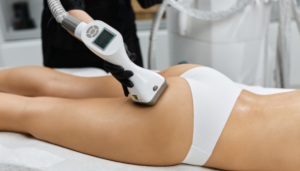
EmSculpt uses HIFEM (High-Intensity Focused Electromagnetic) energy to trigger intense, involuntary contractions in the abdominal muscles. This helps restore strength and tone by recruiting deep muscle fibers that are hard to engage with exercise alone.
Clinical outcomes
- Average +16% increase in abdominal muscle mass after 4 sessions
- ~19% reduction in abdominal fat as a secondary benefit
- Up to ~11% reduction in diastasis recti in postpartum patients after a full treatment series.
EmSculpt NEO
EmSculpt NEO combines HIFEM with radiofrequency (RF) to simultaneously stimulate the muscles and reduce fat. The RF energy warms the tissue to promote lipolysis (fat loss) while the magnetic pulses trigger supramaximal contractions.
Clinical outcomes
- Average +25% increase in muscle volume
- –30% reduction in fat thickness
- ~19% improvement in diastasis recti in postpartum studies
CoolTone
CoolTone uses Magnetic Muscle Stimulation (MMS) to produce powerful contractions, similar to EmSculpt, but focuses purely on muscle toning. It offers a stronger magnetic field, which may help recruit even more muscle fibers.
Clinical outcomes
- +16% increase in abdominal muscle thickness
- ~11% reduction in diastasis recti reported in a postpartum subgroup
Stimulating Collagen for Smoother, Firmer Skin
After pregnancy, the skin on the abdomen may appear less firm due to changes in collagen and elastin structure. In-clinic technologies like radiofrequency can help restore skin quality by stimulating natural collagen production without surgery or downtime.
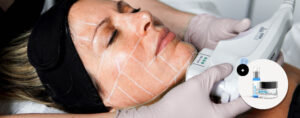
Radiofrequency treatments use controlled heat to warm the deeper layers of the skin, stimulating the natural production of collagen and elastin. This gradual stimulation helps improve skin tone, firmness and texture, especially in areas like the lower abdomen. Radiofrequency microneedling combines energy-based technology with micro-injuries to the skin, enabling more uniform and targeted stimulation of the deeper tissue layers. Technologies such as Thermage, which uses monopolar radiofrequency, are also commonly used to firm the skin non-invasively and provide progressive and long-lasting results.
These treatments are non-invasive and suitable for various skin types. They are often recommended in post-pregnancy protocols for their ability to enhance skin resilience and appearance over time.
Note: In cases of significant skin laxity, a surgical approach such as an abdominoplasty, commonly known as a tummy tuck, may offer the most complete result. While Dermapure does not perform surgical procedures, our team will guide you toward the most appropriate solution based on your goals and refer you to a trusted surgeon if needed.
Your Non-Surgical Mommy Makeover Plan
Every postpartum body is different, and so is every treatment plan. At Dermapure, we take the time to understand your skin, muscle tone and overall concerns before recommending the right combination of non surgical options.
Your personalized Mommy Makeover may include skin tightening technologies to improve firmness, in clinic muscle stimulation to help rebuild core strength, and advanced skincare to restore hydration and elasticity. If stretch marks are present, laser treatments can be added to your plan depending on their appearance and stage. Vascular lasers may help reduce the look of red or pink marks, while fractional lasers are often recommended for older white stretch marks that affect skin texture.
Book a consultation with our team to explore your options. We will work with you to create a plan tailored to your needs, your goals and your stage of recovery so you can feel confident in your body at every step.