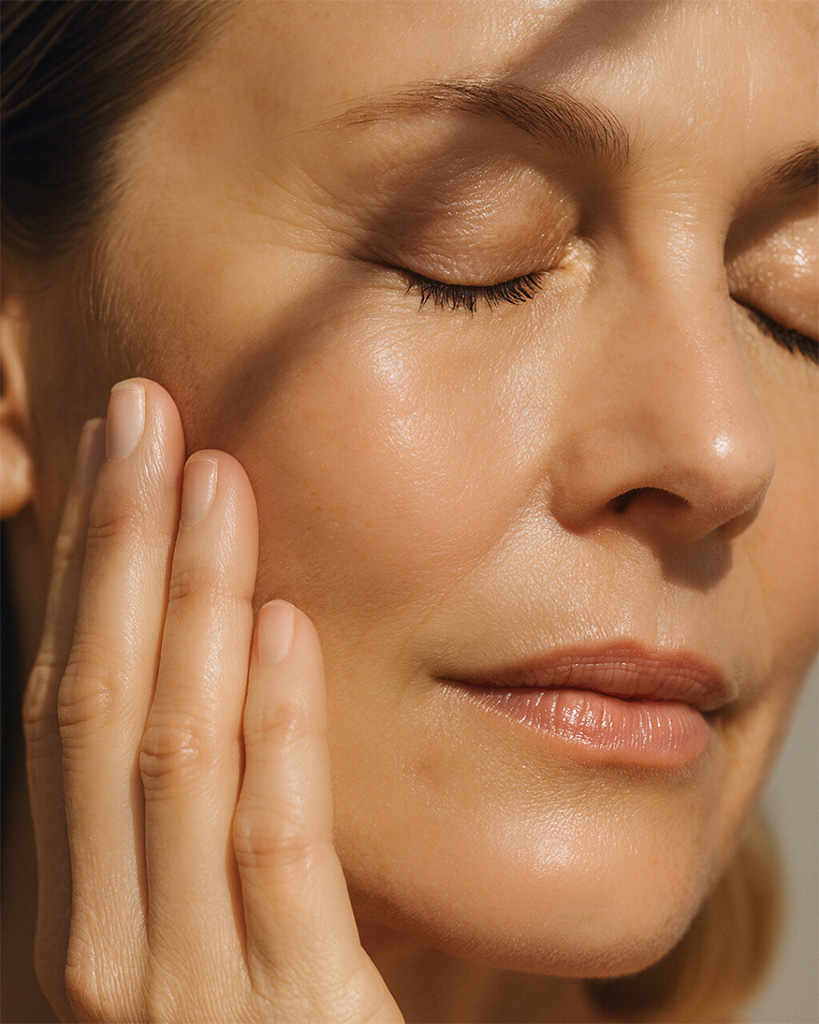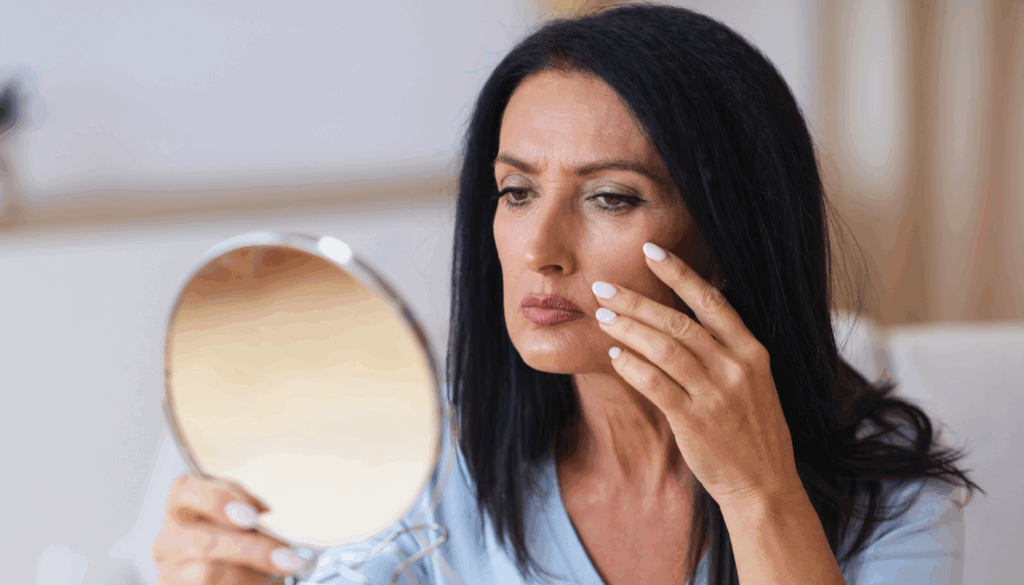
“Ozempic Face” is a trending term you may have heard while scrolling social media. It is increasingly being used to describe the visible facial changes that can occur after rapid weight loss, particularly with GLP-1 medications like Ozempic, Wegovy and Mounjaro. Originally developed to help manage type 2 diabetes, these drugs are now also widely prescribed for weight loss, often leading to significant changes in a relatively short period of time.
As the body adapts, the face may change as well. Some individuals notice a more hollowed appearance, a reduction in volume in the cheeks or temples, or sagging skin that can give the face a more tired or aged look. These effects are not medically harmful, but they can impact how someone feels in their skin and in their daily life.
At Dermapure, we understand the importance of feeling comfortable and confident in your appearance. In this article, we explore what causes Ozempic Face, how to support your skin during weight loss, and the safe, personalized treatments that can help restore facial harmony.
How GLP-1 Medications Work
Commonly prescribed weight management medications like Ozempic, Wegovy and Mounjaro belong to a class of drugs known as GLP-1 receptor agonists, originally developed to help manage type 2 diabetes. These medications mimic a natural hormone that regulates blood sugar, slows digestion and increases feelings of fullness. With a reduced appetite, most individuals naturally eat less, which leads to a drop in daily calorie intake.
This shift in energy balance typically results in weight loss, which can be both significant and rapid. When the body is not receiving enough calories, it turns to its own energy reserves, breaking down fat stores and also drawing from muscle mass. While these changes affect the entire body, the face often shows the first visible signs.
What Is Ozempic Face?
Ozempic Face refers to the visible facial changes that can occur after rapid weight loss while taking GLP-1 medications like Ozempic, Wegovy or Mounjaro. These changes often involve a loss of volume in the cheeks, temples, under-eye area and jawline, leading to a more hollow, tired or aged appearance.
The medications don’t directly cause these effects. Instead, they result from how the body reacts to sudden fat and muscle loss. When weight drops quickly, the skin may not have time to adjust. Areas with limited subcutaneous fat can lose structure, making the face look less firm and more drawn.
Personal outcomes depend on factors like age and skin elasticity. Younger individuals tend to adapt more easily due to higher collagen production. But as the skin ages and becomes thinner, these facial changes often become more pronounced and persistent.
What Does It Look Like?
The facial changes linked to Ozempic Face tend to show up in specific areas:
- Cheeks: appear sunken or flattened
- Temples and under-eyes: look hollow or deflated
- Jawline: loses definition and firmness
- Mid-face: looks sharper, more tired, or drawn
These features can create the impression of premature aging, even as overall weight loss improves general health.
Why Does It Happen?
Several factors combine to create these visible changes:
- Loss of facial fat: The soft layer just beneath the skin gives the face its roundness and support. When this subcutaneous fat disappears quickly, the skin may collapse inward or start to sag.
- Muscle breakdown: Without enough protein or physical activity, the body may break down muscle, including the muscles of the face. This further reduces support and firmness, making the skin look looser.
- Reduced collagen and elastin: Rapid changes can stress the skin, slowing the production of collagen and elastin — the proteins responsible for skin strength and flexibility. As their levels drop, skin becomes thinner, weaker and less able to bounce back.
Because all of this happens quickly, the face often doesn’t have time to adapt. Compared to gradual weight loss or natural aging, the shift can feel sudden and more dramatic.
Can You Prevent It?
Ozempic Face isn’t always avoidable, especially with fast or significant weight loss. However, some simple habits can help support your skin and reduce the impact of facial volume loss. These steps promote skin health, muscle preservation and better elasticity as your body changes:
- Stay hydrated: Drinking enough water each day helps maintain skin elasticity and can reduce the appearance of fine lines or sagging.
- Eat a nutrient-rich, protein-forward diet: Adequate protein helps preserve muscle mass. Antioxidants and nutrients like vitamin C, healthy fats and zinc support collagen production and skin repair.
- Use targeted topical skincare: Products containing hyaluronic acid, peptides, niacinamide and retinol can improve hydration, firmness and overall skin quality.
- Protect your skin from sun damage: UV rays accelerate collagen breakdown. Daily use of broad-spectrum sunscreen helps preserve your skin’s strength and tone over time.
- Prioritize healthy lifestyle habits: Restful sleep, avoiding smoking and limiting alcohol all contribute to better skin resilience during weight loss.
- Aim for gradual weight loss, when possible: A slower pace gives your skin more time to adapt and recover, which can reduce the appearance of hollowing or sagging in the face.
Does It Go Away on Its Own?
In most cases, the facial changes associated with Ozempic Face do not fully go away on their own. Once facial fat is lost, it rarely returns to the same areas, even if some weight is regained. The face may regain a small amount of volume, but the fat distribution is often different, especially in delicate zones like the cheeks, temples and under-eye area.
Whether the skin adapts depends largely on age, skin elasticity and how fast the weight was lost. Younger individuals with good collagen production may see gradual improvement as their skin adjusts. But when weight loss is rapid or occurs in more mature skin, the skin can struggle to recover, and the hollowed appearance often persists.
That’s why many people choose to explore non-surgical treatments to restore volume, improve firmness and regain a more refreshed look.
Non-Surgical Support for Facial Changes After Weight Loss
Injectable Treatments
Injectables are often the most direct and effective way to restore volume lost through rapid weight loss. When performed by experienced professionals, they help bring back facial balance and softness without changing your natural features.
- Hyaluronic acid-based fillers are commonly used to treat hollow areas such as the cheeks, temples and under-eye region. These dermal fillers provide hydration and structure, delivering immediate, natural-looking results in areas that have lost support.
- Biostimulators, like Sculptra and Radiesse, work differently. Rather than filling areas right away, they stimulate your skin’s own collagen production over time. This helps improve firmness, density and elasticity, making them a strong option for long-term support and the prevention of further sagging.
Ultherapy
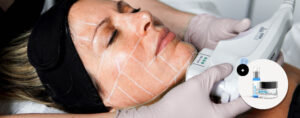
Ultherapy is a non-invasive skin tightening treatment that uses focused ultrasound energy to reach deep beneath the skin, where structural support begins. It stimulates the production of new collagen at multiple depths, including the dermis and hypodermis, helping to firm and lift the skin progressively and naturally.
Unlike surface treatments, Ultherapy targets the same foundational layers addressed during surgical facelifts. The ultrasound energy can reach depths of up to 4.5 millimetres below the skin’s surface, a level typically only accessible through plastic surgery. This makes it especially effective for areas that tend to show signs of sagging skin, such as the lower face, jawline, neck and décolleté.
The procedure works by creating thousands of precise points of stimulation under the skin, triggering tissue regeneration without damaging the surface.
Ultherapy is ideal for individuals seeking visible, gradual results without surgery or downtime. While some temporary redness or sensitivity may occur, most people return to their usual activities immediately after the treatment. As collagen production increases over the following months, the skin gradually regains firmness, tone and improved elasticity.
RF Microneedling
Radiofrequency (RF) microneedling combines traditional microneedling with controlled heat energy to target both surface texture and deep tissue firmness. The treatment delivers radiofrequency waves through tiny microchannels in the skin, triggering collagen remodeling at multiple levels.
It’s especially beneficial in areas where the skin has become thinner, more fragile, or less elastic due to weight loss or facial fat loss. RF microneedling can also complement injectable treatments for patients seeking a more complete, non-surgical rejuvenation plan.
When Non-Surgical Treatments Aren’t Enough
Non-surgical solutions like injectables, Ultherapy or RF microneedling are effective in many cases. However, for more advanced facial volume loss or skin laxity, they may not be enough on their own.
If the skin has lost too much elasticity, or if the weight loss has been especially significant, consulting with a facial aesthetics or plastic surgery specialist may be the right next step. Depending on your needs, the following procedures may be considered:
Fat transfer (autologous fat grafting)
This technique uses your own body fat, typically taken from areas like the abdomen or thighs, and reinjects it into hollow areas of the face such as the cheeks or temples. Fat transfer can restore volume naturally with soft, lasting results. However, some of the transferred fat may be reabsorbed by the body over time.
Facelift surgery (rhytidectomy)
A facelift repositions and tightens deeper facial tissues to address sagging skin, deep folds and loss of definition along the jawline and neck. It offers more dramatic and lasting results than non-surgical treatments, and is generally recommended when skin laxity is more advanced.
These procedures are not offered at Dermapure, but our goal is to help you make informed choices. If surgical options seem appropriate, we encourage you to speak with a qualified plastic surgeon who can guide you toward the most suitable approach based on your facial anatomy and goals.