A small red or bluish mark suddenly appears under your skin — no clear cause, no pain, just a visible change. While often no more than a harmless bruise, the appearance of a broken blood vessel can sometimes raise questions, particularly when it occurs repeatedly or in the context of other symptoms. Although not typically associated with varicose or spider veins, visible vascular marks may sometimes coincide with broader vein health concerns, prompting a closer look.
Understanding the difference between a minor broken capillary and a more serious vascular issue is essential. In some cases, what seems like a simple mark can overlap with other signs — particularly when dilated blood vessels, blood pressure fluctuations, or circulation symptoms are present. This article breaks down the common causes, when it’s worth consulting a healthcare professional, and what to know about potential complications and treatment options.
What Does a Popped Blood Vessel Look Like?
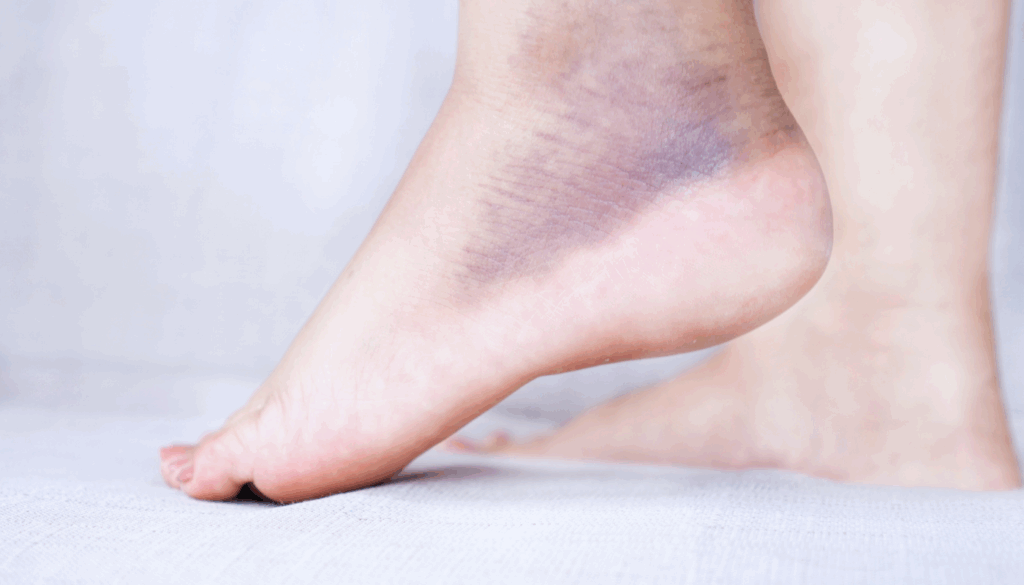
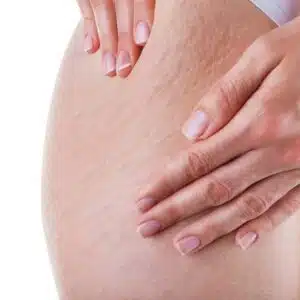
A popped blood vessel, also known as a broken capillary, typically appears as a small red, purple, or bluish mark just beneath the surface of the skin. It may resemble a tiny bruise, a thin thread-like line, or a small circular spot. These visible blood vessels are usually painless and flat, and they don’t change shape or size significantly. They can show up on various parts of the body but are most commonly noticed on the legs, arms, or face.
Most minor broken blood vessels under the skin fade on their own within a few days to a couple of weeks. Like a bruise, the body gradually reabsorbs the accumulated blood, and the discoloration disappears. These marks are generally unrelated to chronic vein conditions such as spider or varicose veins. However, if the mark doesn’t fade, becomes more noticeable, or occurs with symptoms like discomfort, swelling, or heaviness in the legs, a medical evaluation can help rule out coincidental vein issues.
Why Do Blood Vessels Burst Under the Skin?
Everyday causes
In many cases, a popped blood vessel is caused by minor, everyday factors. A small trauma, even one you might not notice — like bumping into furniture or crossing your legs too tightly — can lead to a superficial capillary rupture. Sudden changes in blood pressure, such as intense sneezing, coughing, or heavy lifting, may also contribute. Aging skin, which becomes thinner and more fragile over time, is naturally more prone to broken capillaries. Certain medications, especially blood thinners or corticosteroids, can increase this sensitivity as well.
Other common triggers include sun damage, exposure to extreme temperatures, or lifestyle factors like prolonged standing or sitting. In these cases, the broken blood vessel is typically superficial and not a cause for concern.
A note on underlying conditions
While most broken capillaries are benign, frequent occurrences — especially if accompanied by other symptoms — many coincide with underlying venous concerns. It’s important to distinguish between a vascular bruise and a systemic issue. Only a clinical assessment can determine whether there’s a connection. However, isolated popped vessels are not typically considered a warning sign for varicose veins or chronic venous insufficiency.
Broken Capillaries on the Face
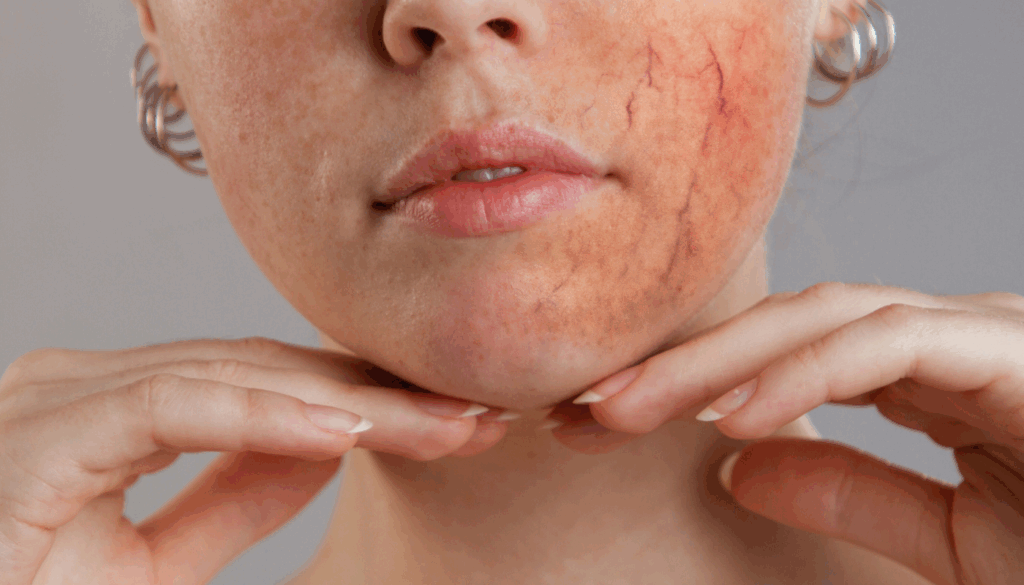
Broken capillaries in the face, also known as facial telangiectasias, appear as fine red or purple lines, most commonly on the nose, cheeks, or chin. Though harmless, they often become a cosmetic concern when they multiply or deepen in colour. Sun exposure, rosacea, temperature extremes, aging skin, and genetics are all common contributing factors.
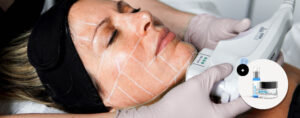
Fortunately, these visible blood vessels can be effectively treated in clinic using advanced vascular laser technologies. At Dermapure, we rely on gold-standard platforms such as Vbeam, Nd:YAG, Cutera, Fotona, and Perfecta, which are designed to precisely target dilated blood vessels beneath the skin’s surface without damaging surrounding tissue.
These non-invasive laser treatments work by emitting light energy that is absorbed by the red pigment in the vessel, causing the capillary walls to collapse and be naturally eliminated by the body. The number of sessions required varies depending on the extent and depth of the capillaries, but most patients begin to see visible improvement after one to three sessions.
Laser skin treatment for facial vessels is safe, quick, and requires little to no downtime. It’s an ideal option for anyone looking to reduce facial redness and restore a more even, radiant complexion — without surgery or needles.
Spider Veins on the Legs
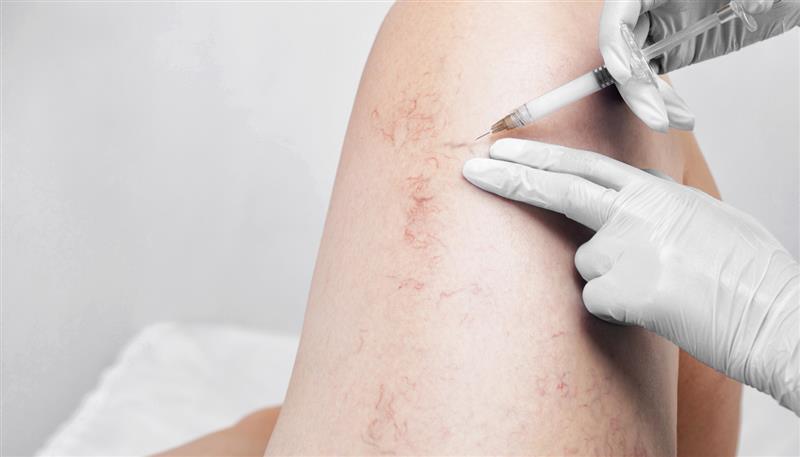
Spider veins are small, visible red, blue, or purple vessels that appear just beneath the surface of the skin; most often on the thighs, calves, or around the ankles. While they are harmless, their appearance can become a source of self-consciousness over time.
At Dermapure, the most effective solution for treating spider veins is sclerotherapy, a minimally invasive procedure where a sclerosing solution is injected into the targeted vein, causing it to collapse and gradually fade. Depending on the number and size of veins, multiple sessions may be recommended.
When Should You Worry About a Popped Vein?
If you notice broken blood vessels appearing regularly, or if one doesn’t fade after a few weeks, a professional evaluation is recommended. This is especially true if the mark is painful, bleeds spontaneously, or appears near visible varicose veins. These symptoms may suggest underlying vein stress, even if the visible mark itself is not the primary issue.
Consulting a healthcare professional or vein specialist can help determine whether the issue is purely cosmetic or part of a broader circulatory pattern. Early diagnosis allows for appropriate, minimally invasive treatments; helping to prevent complications before they arise.
Burst Varicose Veins: A Different Story
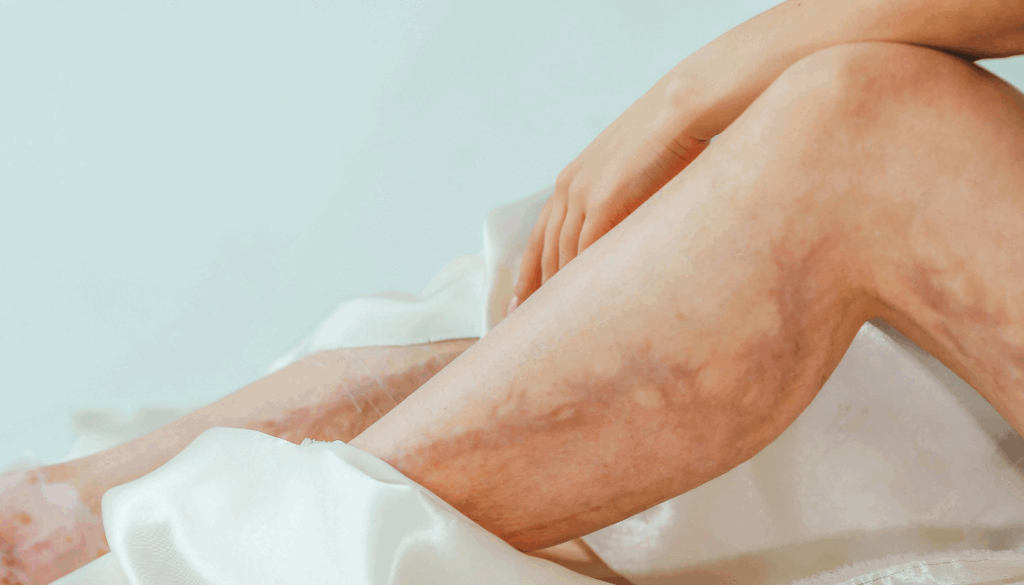
Varicose veins are weakened, enlarged veins that struggle to circulate blood efficiently, especially in the legs. In rare cases, the pressure inside these veins can cause them to rupture, leading to a large bruise under the skin or even visible bleeding.
This can happen after minor trauma, prolonged standing, or spontaneously in advanced cases. The area often appears more severe than a typical broken capillary, with swelling, pain, or skin sensitivity.
Though uncommon, a burst varicose vein is a medical concern. It usually reflects chronic venous insufficiency and can lead to recurrent bleeding, slow healing, or infection if left untreated. Early treatment helps prevent complications and improves overall vein health.
Why It’s Important to Treat Varicose Veins
Varicose veins are more than just a cosmetic concern; they reflect a real circulatory issue that can worsen over time if left untreated. Beyond the visible swelling or discomfort, untreated varicose veins can lead to complications that affect both skin health and overall quality of life.
Treating varicose veins early offers multiple benefits:
- Prevention of long-term damage to vein walls and surrounding tissues
- Reduction of symptoms such as leg heaviness, cramping, and fatigue
- Improved mobility and comfort during daily activities
- Aesthetic improvement by minimizing visible, bulging veins
- Better vascular function, reducing the risk of progression to chronic venous disease
When varicose veins are ignored, they can contribute to more serious health issues, including:
- Skin changes such as discolouration, thickening, or hardening of the skin (lipodermatosclerosis)
- Venous ulcers, which are slow-healing wounds typically found near the ankles
- Bleeding risks, especially if the skin over the vein becomes fragile or ruptures
- Infections, particularly when ulcers or open wounds are present
- Inflammation and blood clots, such as superficial thrombophlebitis or, in rare cases, deep vein thrombosis (DVT)
Effective Treatments for Varicose Veins
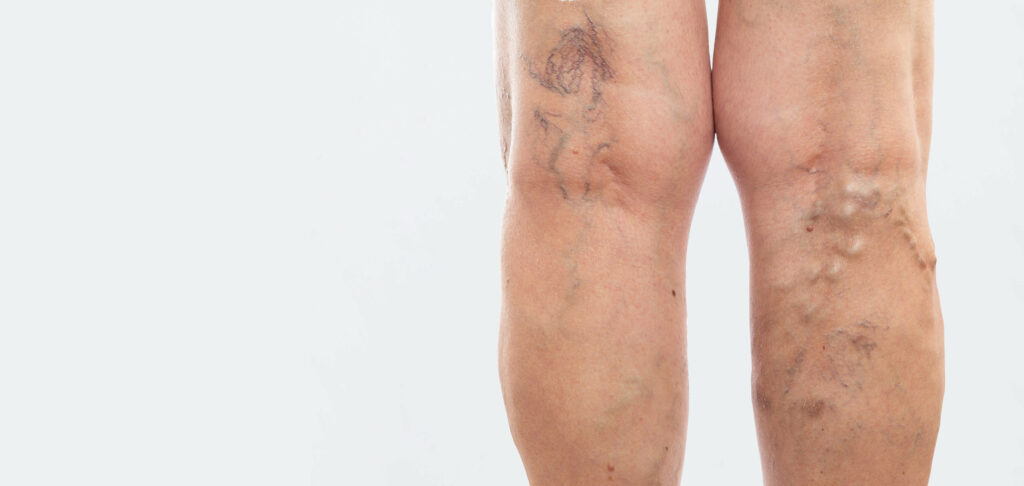
Today, treating varicose veins no longer requires invasive surgery. Several advanced, minimally invasive procedures are available to relieve symptoms, improve blood circulation, and reduce the appearance of visible veins. At Dermapure, each treatment plan is personalized based on your vein profile and the severity of venous insufficiency.
Main treatment options include:
- Endovenous Laser Ablation (EVLA/EVLT): A thin laser fiber is inserted into the vein under local anesthesia. The laser heat seals the vein from within, stopping reflux and restoring circulation. The in-office procedure requires minimal downtime. Compression stockings are worn afterward to aid recovery and reduce the risk of DVT or PE.
- Radiofrequency Ablation (RFA): Similar to EVLA, RFA uses radiofrequency waves to heat and close the affected vein. It’s highly effective, well tolerated, and requires little to no recovery time.
- Sclerotherapy: A sclerosing solution is injected into small or medium surface veins, causing them to collapse and fade. It’s quick, non-surgical, and often used for spider veins or mild varicosities.
- Ultrasound-Guided Foam Sclerotherapy: A foamed sclerosing agent is injected into larger or deeper veins, guided by ultrasound. It spreads evenly along the vein walls and is often used when other treatments are not ideal. Compression stockings help support healing post-procedure.