Aging is not just about time. It is a biological process driven by chronic stress and invisible inflammation that quietly damages your skin every day. Scientists call this process inflammaging, and it may be one of the biggest hidden causes of premature aging.
Unlike the kind of inflammation you feel from a cut or sunburn, inflammaging works quietly and over time. It starts deep within the skin where fibroblasts, the cells that produce collagen and elastin, are responsible for keeping your skin firm and resilient. Chronic low-level inflammation gradually slows these cells down, leading to less collagen production and slower skin repair. As a result, the skin loses firmness and radiance, and visible signs of aging begin to appear even with a consistent skincare routine.
At Dermapure, we believe aging should be approached with intention. Preserving healthy, youthful skin means understanding what happens beneath the surface and caring for the skin accordingly. With the right knowledge and the right treatments, skin quality can be supported over time.
What Is Inflammaging?
One of the most important discoveries in aging research is the concept of inflammaging, a term that combines “inflammation” and “aging.” It refers to the chronic, low-grade inflammation that silently builds up in the body as we grow older, even when there is no infection or disease present.
This ongoing inflammation is different from the acute kind we experience with an injury or illness. Inflammaging is slow, invisible, and persistent. Over time, it creates a toxic internal environment that gradually wears down tissues, weakens immune defenses, and disrupts normal cellular repair. Scientists now link it to a wide range of age-related diseases such as heart disease, Alzheimer’s, type 2 diabetes, osteoporosis, and certain cancers.
So, how does it happen?
Several biological mechanisms contribute to inflammaging. While each plays a different role, they all create an environment in the body that favors low-grade, chronic inflammation instead of proper healing and regeneration.
Immune system dysregulation
As we age, the immune system becomes less balanced. It does not respond as quickly to real threats and often remains slightly activated, like a smoke detector that will not stop beeping. This constant state of low immune activity leads to the release of inflammatory molecules, even when there is no danger. Over time, this silent inflammation damages healthy tissues throughout the body.
Accumulation of senescent cells
Cells do not live forever. When they become damaged or reach the end of their life cycle, healthy systems normally clear them out. But with age, many cells stop dividing and enter a state called senescence. These cells no longer function properly, but instead of dying, they stay in the body and begin to release a toxic mix of pro-inflammatory molecules called SASP, or senescence-associated secretory phenotype. This mixture damages surrounding cells and signals the immune system unnecessarily, creating a cycle of chronic inflammation.
Oxidative stress and lifestyle factors
Every day, our bodies are exposed to external and internal stressors such as UV rays, air pollution, poor diet, sugar, lack of sleep, and emotional stress. These factors increase the production of free radicals, unstable molecules that damage DNA, proteins, and cell membranes. When antioxidant defenses weaken with age or unhealthy habits, oxidative stress builds up and fuels inflammation across multiple systems — including the skin.
Impaired cellular cleanup
The body has natural processes to recycle and clear out damaged parts of cells. These include autophagy and mitophagy, which help remove malfunctioning components like broken mitochondria. As these cleanup systems slow down with age, waste builds up inside cells and triggers inflammation. This cellular clutter affects organs, joints, and also leads to visible signs of skin aging like loss of glow and slower healing.
All these factors combine to accelerate tissue breakdown and slow regeneration. While this process affects the entire body, it is especially visible in the skin. The same chronic inflammation that drives internal aging also targets the skin’s fibroblasts. These are the cells responsible for producing collagen and elastin, two key proteins that keep skin firm, plump, and resilient. Under constant inflammatory stress, fibroblasts become weaker and less active.
The result is skin that becomes thinner, duller, and less elastic, even when your routine is consistent and carefully maintained.
Inflammaging may be silent, but its impact is far from subtle.
How to Prevent Inflammaging in Daily Life
You cannot stop time, but you can slow its effects. Inflammaging does not appear overnight. It builds up from everyday habits, which also means you have more control over it than you might think. Small, consistent actions can significantly reduce low-grade inflammation and help protect your skin and body from premature aging.
Prioritize Quality Sleep
Sleep is when your body resets and repairs. Poor or irregular sleep disrupts hormone balance and raises inflammation markers like cortisol and interleukin 6. Aim for 7 to 9 hours of quality rest each night and try to keep a consistent sleep schedule. A dark, cool room and screen-free time before bed can make a noticeable difference.
Focus on Anti-Inflammatory Foods
What you eat speaks directly to your cells. A diet high in processed sugars, refined carbs, and trans fats fuels inflammation. In contrast, antioxidant-rich foods like leafy greens, berries, olive oil, turmeric, and fatty fish help calm it. Try to build meals around whole foods that nourish your body and support cellular repair.
Move Consistently
Exercise does not just boost fitness. It also helps regulate inflammation. Moderate physical activity, even a brisk 30-minute walk a few times a week, encourages a balanced immune response and reduces the buildup of inflammatory markers. It also helps maintain healthy weight and muscle mass, which further lowers your inflammatory load.
Manage Stress
Chronic stress keeps your nervous system in a state of alertness, which leads to the constant release of cortisol and other inflammatory messengers. Daily stress management, whether through meditation, journaling, nature walks, or slow breathing, is not just good for your mind. It is a powerful tool against inflammaging.
Protect Against Environmental Stressors
Pollution, UV exposure, and even blue light can increase oxidative stress and trigger inflammation in the skin. Use sun protection daily, even when it is cloudy. Antioxidant-rich skincare can also help neutralize free radicals and support your skin’s natural defense systems.
Biohacking the Skin: In-Clinic Strategies to Prevent and Reverse Inflammaging
Slowing down inflammaging isn’t just about lifestyle. At a cellular level, skin health can now be supported through advanced in-clinic strategies that go far beyond surface care. These approaches aim to stimulate fibroblasts, rebuild collagen, and restore the skin’s ability to repair and defend itself — from the inside out. This is where clinical biohacking comes in.
Here are the three main pillars of in-clinic biohacking for skin longevity:
Injectable Skin Rejuvenation: Stimulate, Repair, Hydrate
Not all injectables are designed to add volume. Some work at a deeper level to improve skin quality, strength, and overall appearance. These treatments fall into two complementary categories: Collagen-Stimulating Injectables and Skin Boosters.
Collagen-stimulating injectables activate fibroblasts to support collagen and elastin production, improving firmness, elasticity, and skin density with gradual, long-lasting results.
- Radiesse: A calcium hydroxyapatite–based gel that provides immediate firmness while stimulating the production of new collagen for long-term structural support.
- Sculptra: Formulated with poly-L-lactic acid, this injectable gradually rebuilds collagen, enhancing skin density, texture, and overall quality with long-lasting results.
Skin boosters focus on hydration and overall skin quality rather than volume or lift. By delivering hyaluronic acid into the dermis, they improve moisture retention, elasticity, and luminosity, creating an optimal environment for healthy fibroblast activity and skin renewal.
- Profhilo: Delivers high concentrations of hyaluronic acid to deeply hydrate the skin while improving firmness and tone across larger treatment areas.
- SkinVive by Juvéderm: A microdroplet hyaluronic acid injectable designed to enhance cheek skin smoothness, hydration, and radiance, supporting a fresh and healthy appearance over time.
Energy-Based Technologies: Wake Up Your Skin’s Repair System
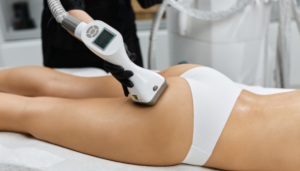
Modern technologies go deeper than skincare can. By using controlled heat, light, or mechanical stimulation, these treatments activate natural healing pathways that slow with age. They directly target fibroblasts, collagen fibers, and the dermal matrix, reversing signs of inflammaging from the inside out.
Popular technologies include:
- Intense Pulsed Light (IPL): Uses high-intensity pulses of broad-spectrum light to treat visible signs of skin damage, including sun damage, redness, excess melanin, and broken capillaries. By targeting these early indicators of skin stress, IPL helps even out skin tone, reduce pigmentation, and reinforce the skin’s natural repair processes. It is a powerful, non-invasive option for both prevention and early intervention, especially in skin affected by years of UV exposure and environmental stress..
- Radiofrequency Microneedling (RF): Combines microneedles with radiofrequency energy to deliver heat below the surface. This controlled micro-injury promotes collagen production and tightens skin over time.
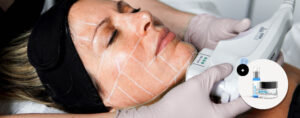
- Ultrasound Therapy (Ultherapy): Uses focused ultrasound to stimulate collagen deep within the skin. Approved by Health Canada for non-invasive lifting, it is especially effective on the lower face, jawline, and neck.
- Fractional Lasers: Improve skin quality by creating precise micro-injuries that stimulate the skin’s natural healing response. This process activates fibroblasts and boosts collagen production. While several types of fractional lasers exist, including gentler non-ablative options, CO₂ fractional lasers remain one of the most intensive for visible resurfacing. They can target deeper layers of the skin to improve texture, reduce pigment irregularities, and restore firmness over time. Whether used preventively or to correct early signs of aging, fractional laser treatments help reinforce the skin’s structure from within.
Regenerative Add-Ons: Boost Healing and Results
To enhance both recovery and results after advanced skin treatments, regenerative boosters can be integrated into your clinical plan. These biologically active solutions work in synergy with lasers, microneedling, and ultrasound therapies to calm inflammation, accelerate healing, and improve skin quality from the inside out.
- Exosomes: Ultra-small vesicles derived from stem cells that deliver concentrated growth factors and anti-inflammatory signals. When applied after treatments like RF microneedling or laser, exosomes help the skin recover faster and improve overall texture, clarity, and resilience.
- PRP / PRF: Platelet-rich plasma or platelet-rich fibrin harnesses your own blood’s healing components to repair tissue naturally. Rich in growth factors, this approach supports collagen remodeling, calms inflammation, and enhances glow and elasticity.
These powerful add-ons are especially effective in preventing post-treatment downtime while reinforcing the long-term benefits of regenerative skin therapies.
A Powerful Duo: Ultherapy and Radiesse Working Together
Together, these treatments target different layers of the skin. Ultherapy works from the inside out, while Radiesse supports from just beneath the surface. This dual approach reinforces the skin structure on multiple levels and delivers a more youthful, lifted look without changing your natural appearance.
With no downtime and long-lasting benefits, Ultherapy and Radiesse form a smart, non-invasive strategy for reversing the visible effects of inflammaging and preserving skin integrity over time.
Ready to Take Control of Skin Aging?
Skin aging doesn’t happen overnight. It is a gradual change that can be slowed with the right strategy tailored to your skin’s unique needs.
At Dermapure, we believe in personalized, science-backed care. Our team takes the time to assess your skin, understand your goals, and build a plan that combines lifestyle support, advanced technologies, and regenerative treatments.
Book a consultation today to discover what your skin truly needs. Together, we will create a treatment approach that supports long-term skin health, stimulates collagen, and helps you age with confidence.