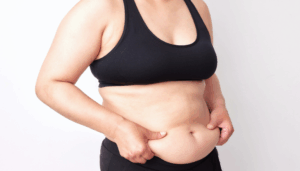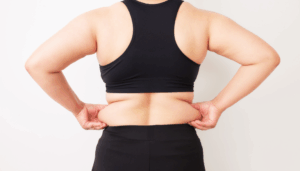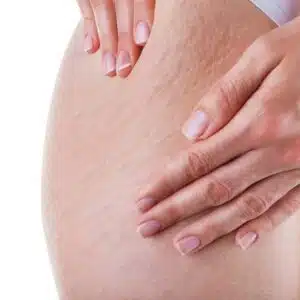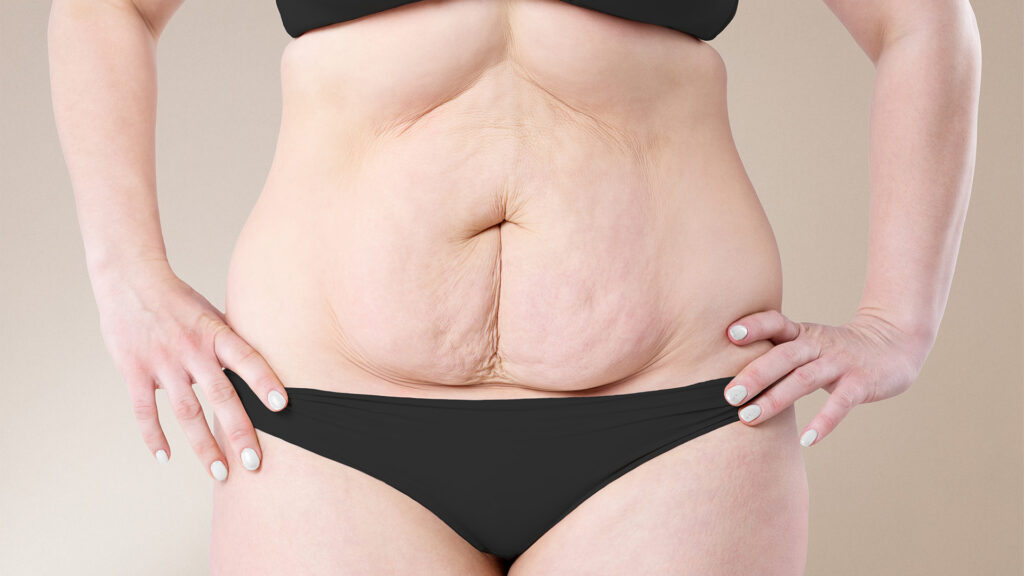
After losing weight, many people are left with one frustrating problem. Loose skin that does not tighten, especially around the stomach. The more weight you lose and the faster it happens, the more likely this issue becomes.
In most cases, the skin has stretched beyond its ability to fully bounce back. Age, genetics, how long the skin was under tension and the speed of weight loss all influence how the skin reacts. While a healthy lifestyle can support gradual improvements, it is often not enough to restore tone and firmness on its own.
The good news is that targeted treatments exist. Some skin may tighten over time. But when results stall, non surgical and surgical options can offer the most visible improvements. In this article, we explain why stomach skin stays loose after weight loss and what can be done to address it effectively.
Why Do I Still Have Loose Skin After Losing Weight?
Skin is built to stretch and contract, but only within certain limits. That ability depends on the presence and quality of two key proteins: collagen, which gives the skin strength, and elastin, which allows it to return to its shape after stretching.
When you gain weight, the skin expands slowly to accommodate changes in body volume. But if the weight stays on for years, or if it is lost quickly, the skin may not have the time or resources to adjust. Collagen fibers can become weakened or damaged, and elastin can lose its recoil.
Age plays a major role here. As we get older, the skin produces less collagen and elastin naturally. So the faster or more significant the weight loss is, the more likely the skin will appear loose, especially around areas like the stomach where stretching was more pronounced. Some people may also notice a crepey texture or wrinkling, which is a sign that the deeper support structures are no longer intact.
Daily habits like hydration, nutrition and exercise support skin health. But when elasticity is already reduced, natural improvement may be limited. In those cases, the skin often needs targeted help to regain visible firmness.
Can Skin Tighten on Its Own Over Time?
Sometimes, but not always. Skin has some ability to remodel itself after weight loss, especially if you are younger, have good genetics and support your body with healthy daily habits. A balanced diet rich in protein and antioxidants, adequate hydration and regular physical activity can help the skin recover to a certain degree.
That said, the degree of tightening depends on how much the skin was stretched and for how long. Minor laxity may improve gradually over six to twelve months. But when the skin was under tension for years or has lost significant volume quickly, the recovery is often incomplete.
Muscle tone can also make a visible difference. Rebuilding strength in the abdominal area helps fill out the space under the skin, creating better shape and definition. However, this will not directly tighten the skin itself.
In many cases, the skin reaches a plateau. If you still see loose skin months after reaching your goal weight and maintaining it, it is often a sign that additional support will be needed to see meaningful improvement.
At-Home Habits That Support Skin Firmness
While at-home efforts will not reverse more advanced skin laxity, they do help support long-term skin quality and contribute to gradual improvement when combined with clinical care.
Key habits to support your skin include:
- Daily hydration: Drinking enough water supports skin elasticity from within. Proper hydration helps maintain plumpness and resilience over time.
- Targeted skincare: Applying a nourishing body cream twice daily helps keep the skin supple and reinforces the skin barrier. Look for ingredients like lipids, peptides or hyaluronic acid. Functionalab’s Retexturing Body Cream is one example formulated to support firmness and hydration.
- Nutrient-rich diet: Eating foods high in protein, vitamin C, zinc and healthy fats promotes collagen synthesis and tissue repair. These nutrients are essential for skin regeneration.
- Strength-based exercise: Resistance training can improve underlying muscle tone, which helps create better shape and definition under the skin. A strong core provides visible support and may reduce the appearance of looseness.
- Consistency: Visible change takes time. Staying consistent with healthy habits helps protect the skin’s long-term function and maximizes the impact of any in-clinic treatments that follow.
Non-Surgical In-Clinic Treatments
When natural recovery reaches its limit, non-invasive treatments can help restore firmness more effectively by targeting the skin’s deeper structure.
Below are the most commonly used technologies in skin tightening protocols.
Radiofrequency (RF)
Radiofrequency treatments use controlled heat to stimulate the skin’s natural production of collagen and elastin. This thermal energy targets the deeper layers of the skin without damaging the surface. Over time, it can improve firmness, texture and overall tone, especially in areas like the lower abdomen.
There are two main categories of RF treatments used in medical aesthetics:
- RF microneedling, as seen with Morpheus8, combines fine needles with radiofrequency energy. The needles create micro-injuries in the skin, while the RF energy penetrates deeper to activate collagen remodeling. This approach is ideal for improving both texture and tone, particularly when the skin is also uneven or crepey.
- Monopolar radiofrequency,used in devices such as Thermage, delivers heat through a single handpiece deep into the skin. It can target larger areas without breaking the surface, making it well suited for mild to moderate skin laxity. Thermage is often used on the abdomen to gradually tighten and smooth the skin over time.
Both options are non invasive and typically require no downtime. The right choice depends on your skin type, degree of laxity and treatment goals. A consultation helps determine which approach is best suited to your needs.
Ultrasound
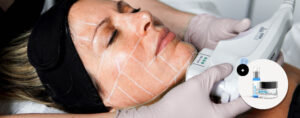
Ultrasound skin tightening delivers focused energy deep into the skin to stimulate natural collagen production. The most well-known technology in this category is Ultherapy, which targets structural layers at specific depths, including those usually reached in surgical procedures. By creating controlled points of thermal stimulation, it helps the skin gradually rebuild firmness and elasticity from within.
Ultherapy is commonly used on the lower abdomen to treat mild to moderate laxity, especially after weight loss. Because it works below the surface, there is no visible downtime, and results appear progressively over two to six months. The treatment is most effective when the skin still has some ability to respond. A consultation is essential to determine whether ultrasound is the right fit for your goals and skin condition.
Electromagnetic Muscle Stimulation
Electromagnetic muscle stimulation helps improve abdominal tone by triggering deep, involuntary contractions that go beyond what can be achieved through traditional exercise. Technologies like Emsculpt and CoolTone use high-intensity electromagnetic energy to produce what are known as supramaximal contractions. These rapid, repeated contractions force the muscles to adapt by strengthening and increasing in volume. In the abdominal area, this can restore core stability and create better definition beneath the skin.
While these treatments do not act directly on the skin itself, improving the muscle structure underneath can visibly reduce the look of sagging. As the muscles thicken and the area becomes more toned, the skin often appears firmer and more supported. These technologies are especially useful when skin laxity is combined with muscle loss due to inactivity, aging or rapid weight loss.
When Non-Surgical Options Aren’t Enough
When skin has lost too much elasticity, non invasive treatments may not be enough to deliver the results you are looking for. In cases of severe laxity, where the skin is significantly stretched, folds are present or the underlying tissue has lost too much volume, surgery may offer the most complete and lasting outcome.
The most common surgical option is the abdominoplasty, or tummy tuck. This procedure removes excess skin and fat from the abdominal area and, when needed, restores the integrity of the abdominal muscles. It is especially effective in treating skin that no longer responds to collagen stimulation or has been severely stretched over time.
There are several types of abdominoplasty, depending on the area affected and the degree of correction required:
- Full tummy tuck: Treats both the upper and lower abdomen. Includes skin and fat removal along with muscle repair when needed.
- Mini tummy tuck: Targets only the lower abdomen. May be suitable when laxity is limited to the area below the navel and the abdominal muscles remain relatively intact.
- Extended tummy tuck: Addresses skin laxity that extends beyond the abdomen to the flanks or lower back. Often recommended after major weight loss.
Each surgical approach requires a recovery period and carries risks that must be discussed with a qualified plastic surgeon. For patients with significant laxity and clearly defined goals, surgery may offer the most transformative and long lasting result.
What We Can (and Can’t) Do at Dermapure
At Dermapure, we specialize in advanced non-surgical treatments to improve skin quality, stimulate collagen and enhance body contours. Our technologies are ideal for addressing mild to moderate skin laxity and muscle tone loss. We build personalized treatment plans that combine proven medical technologies with expert guidance to help you get the best results possible without surgery.
However, we do not perform surgical procedures. If during your consultation we determine that your skin concerns would be better addressed through surgery, we will refer you to a trusted plastic surgeon. Our goal is not to offer every solution, but to recommend the right one based on your needs, expectations, and stage of transformation.