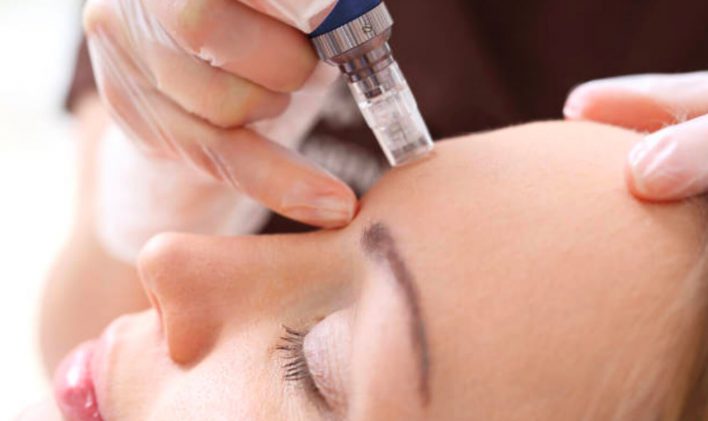
What is microneedling?
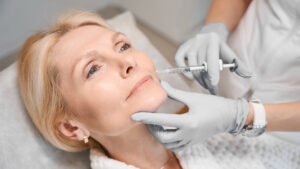
Microneedling is a minimally invasive treatment that helps rejuvenate the skin by stimulating the body’s natural production of collagen and elastin—two essential proteins for firmness, elasticity, and overall skin health. Using a device with fine, sterilized needles, a trained professional creates tiny, controlled micro-injuries on the surface of the skin. This process activates the skin’s natural repair mechanisms, gradually improving texture, tone, and resilience.
While it’s most often used on the face, microneedling can also be highly effective on areas like the neck, décolleté, back, legs, and even the abdomen, especially when addressing concerns like skin laxity after pregnancy or weight loss.
There are two main types of microneedling offered at Dermapure:
- Microneedling Without RF targets the outer layers of the skin to refine texture, minimize pores, smooth fine lines, and soften superficial scars.
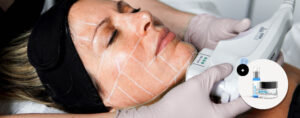
- RF microneedling (radiofrequency)goes deeper by delivering thermal energy below the skin’s surface, making it especially effective for deeper wrinkles, crepey skin, and areas with visible sagging like the jawline or stomach.
Throughout this article, we’ll guide you through everything you need to know about the treatment: what it can improve, how to prepare, how a session works at Dermapure, and what kind of results you can expect.
Why Your Expert May Recommend Microneedling During Your Consultation
Microneedling is often recommended as part of a personalized treatment plan when the goal is to improve overall skin quality in a natural and progressive way. Rather than masking imperfections, this technique works from within by stimulating the skin’s natural production of collagen and elastin to gradually strengthen, smooth, and refine the surface.
Your Dermapure expert may suggest microneedling if you’re looking to address concerns like fine lines, uneven texture, enlarged pores, early signs of aging, or mild scarring. It’s a gentle yet effective option that requires little downtime and delivers cumulative results with each session.
Unlike some treatments that rely on heat or more aggressive resurfacing, microneedling is mechanical and safe for all skin tones. It can also complement other technologies or injections if your plan includes deeper correction or targeted volume support. Whether your goal is to correct, maintain, or prevent, microneedling may be the right tool to help you build healthier, stronger skin.
Conditions Microneedling Can Treat
Microneedling is a versatile treatment that addresses a wide range of skin concerns, whether you’re looking to correct, maintain, or prevent. Because it works by stimulating your skin’s natural regeneration process, it can help improve both the surface and the deeper structure of the skin over time.
Here’s what microneedling can help treat:
- Fine lines and wrinkles: Stimulates collagen and elastin to smooth visible signs of aging.
- Acne scars and mild scarring: Helps break down scar tissue and improve skin texture.
- Enlarged pores: Tightens the skin around pores, making them appear smaller and less visible.
- Hyperpigmentation and dark spots: Encourages cell turnover and helps fade uneven pigmentation.
- Stretch marks: Particularly on the abdomen, thighs, or hips, improving tone and firmness.
- Loose or crepey skin: Especially effective with RF microneedling for areas like the jawline, neck, or stomach.
- Uneven tone and dullness: Revitalizes the skin for a more even, radiant complexion.
- Hair thinning and androgenic alopecia: When combined with PRP, it helps stimulate dormant hair follicles.
- Hyperhidrosis (excessive sweating): RF microneedling can help reduce sweating by targeting overactive sweat glands.
- Cellulite (with RF): Improves skin texture and tightness by reaching deeper tissue layers.
Because microneedling triggers natural healing, results build gradually and continue to improve over time, making it a great investment in your skin’s long-term health.
Add-On Options to Boost Results
Microneedling delivers impressive results on its own, but when paired with targeted technologies or active ingredients, it becomes even more effective. These add-ons are designed to boost collagen stimulation, accelerate healing, and address more specific skin concerns like pigmentation, loss of firmness, or sensitivity.
At Dermapure, we customize each treatment plan based on your skin’s condition and goals. Whether you’re looking to enhance glow, improve skin structure, or treat scarring more deeply, here are the most popular options to elevate your microneedling results:
- PRP (Platelet-Rich Plasma): PRP is a regenerative treatment that uses your own blood—more specifically, the concentrated plasma portion rich in growth factors. After a simple blood draw, the PRP is separated and applied directly to the skin post-microneedling, where it penetrates deeply through the microchannels. These growth factors help stimulate collagen production, accelerate tissue repair, and improve skin tone and elasticity. PRP is especially beneficial for acne scars, dull skin, and overall rejuvenation—and is also used on the scalp to support hair regrowth in cases of thinning.
- Exosomes: Exosomes are small, naturally occurring vesicles secreted by stem cells. They act as messengers that deliver signals to boost skin regeneration and healing. When used with microneedling, exosomes promote a stronger cellular response: they reduce inflammation, enhance collagen and elastin synthesis, and help improve tone and texture. This add-on is ideal for patients seeking faster recovery, more radiant skin, or a powerful anti-aging boost—especially for sensitive or mature skin types.
- PDRN (Polydeoxyribonucleotide): PDRN is a DNA-derived molecule extracted from salmon, known for its exceptional regenerative and anti-inflammatory effects. It works by stimulating skin repair at the cellular level and promoting tissue regeneration. Applied after microneedling, PDRN supports hydration, calms redness, and improves the skin barrier, making it an excellent option for post-procedure recovery, or for patients with dry, sensitive, or weakened skin.
- Hyaluronic Acid Serums: A deeply hydrating molecule that retains water in the skin. Post-microneedling, it penetrates more effectively to plump, smooth, and restore elasticity, improving comfort and overall glow, especially in dehydrated or tired-looking skin.
- Vitamin C Serums: A powerful antioxidant that helps brighten the skin, fade dark spots, and support collagen production. When used after microneedling, it enhances skin clarity and radiance making it perfect for those targeting uneven tone or pigmentation.
- Peptides: Short chains of amino acids that act as messengers to boost collagen and elastin production. Peptides help improve firmness, smooth fine lines, and enhance skin texture making them a valuable option in anti-aging protocols.
- Niacinamide (Vitamin B3): A multi-tasking ingredient that reduces inflammation, calms redness, regulates oil production, and minimizes the appearance of pores. Post-microneedling, it helps protect the skin barrier and supports a more even, resilient complexion—ideal for sensitive or acne-prone skin.
What to Expect During a Treatment at Dermapure
Every microneedling treatment at Dermapure is designed to be both results-driven and comfortable. Our team of aesthetic medicine experts takes the time to understand your skin and tailor the experience to your specific needs.
Here’s how a typical session unfolds:
- Personalized Consultation: Before your first treatment, we evaluate your skin type, concerns, and goals to create a customized treatment plan. This is also the time to discuss any contraindications or previous treatments.
- Photographic Records: Pre and post-treatment photos are taken (with your consent) to help track progress and visualize long-term results.
- Skin Cleansing and Disinfection: The treatment area is thoroughly cleansed to remove all traces of makeup, oil, or sunscreen, then disinfected to ensure a sterile environment.
- Application of Numbing Cream: A topical anesthetic is applied for 30–45 minutes to maximize comfort during the procedure.
- Microneedling Procedure: Using a single-use, sterile device, your specialist makes precise passes over the skin, creating controlled micro-injuries. If needed, a second pass may be done in areas requiring more correction. The actual treatment lasts between 30 and 60 minutes, depending on the area.
- Application of Targeted Serums or Add-Ons: Right after microneedling, your skin is at peak absorption. This is the ideal moment to apply any personalized add-ons such as PRP, hyaluronic acid, peptides, or exosomes.
- Post-Treatment Recommendations: Your specialist will walk you through post-care instructions and product suggestions to support healing and maximize results.
From start to finish, the entire appointment lasts about 90 minutes. Most patients describe the experience as comfortable and leave the clinic with skin that feels slightly warm or tight—similar to a mild sunburn, which typically fades within a day or two.
Contraindications
While microneedling is a safe and well-tolerated treatment for most skin types, there are certain situations where it may not be recommended. Before starting, your Dermapure expert will evaluate your skin and medical history to ensure the treatment is appropriate for you.
You may need to postpone or avoid microneedling if you:
- Are currently taking or have recently taken Accutane (isotretinoin) within the past 6 months
- Have active acne lesions, rosacea flares, or skin infections in the treatment area
- Are pregnant or breastfeeding
- Have a history of keloid scarring or poor wound healing
- Are undergoing chemotherapy or radiation therapy
- Have autoimmune conditions or a weakened immune system
- Are taking blood thinners or have a bleeding disorder
- Are experiencing a cold sore outbreak or have frequent herpes simplex infections
- Have open wounds, cuts, or sunburn on the area to be treated
- Have suspicious skin lesions or growths that have not been assessed by a medical professional
If any of these apply to you, don’t worry—your skin specialist will guide you toward the safest and most effective alternative treatments based on your skin’s condition and goals.
Everything You’ve Wanted to Know About Microneedling
Is microneedling safe for all skin tones?
Yes. Microneedling is safe for all skin tones because it doesn’t rely on heat or light energy, which can sometimes trigger pigmentation issues in darker skin. It works mechanically, so there’s minimal risk of post-treatment discoloration when performed by trained professionals.
What are the risks or side effects?
Microneedling is generally very well tolerated, but like any medical-aesthetic treatment, it can cause some temporary side effects. The most common reactions include redness, mild swelling, and a sensation of tightness—similar to a light sunburn. These effects usually disappear within 24 to 72 hours. Some people may also experience light flaking or dryness as the skin begins to renew itself, and in some cases, minor bruising can occur, particularly in more delicate areas.
When microneedling is performed by trained professionals and followed by proper aftercare, the chances of complications are very low.
Is microneedling painful?
Most patients describe the sensation as mild to moderate discomfort, like light scratching or tingling. A topical numbing cream is applied before the procedure to keep you comfortable throughout the session.
Can it cause hyperpigmentation?
Yes, there is a small risk of post-inflammatory hyperpigmentation (PIH), particularly for individuals with medium to dark skin tones. This occurs when the skin responds to inflammation—like the micro-injuries created during microneedling—by producing excess melanin in the treated area. The result can be temporary darkening or uneven pigmentation.
That said, PIH is typically mild and reversible with proper aftercare. In most cases, it fades naturally over time as the skin heals and renews itself. To prevent it, sun protection is absolutely essential. Avoid direct sun exposure in the days before and after your treatment, wear SPF 30 or higher with zinc oxide, and reapply throughout the day if you’re outside. A wide-brimmed hat and sunglasses also help protect your results.
At Dermapure, your skin expert will assess your skin type and take every precaution, such as adjusting treatment depth and recommending the right post-care, to reduce the risk of hyperpigmentation while ensuring you get optimal results.
Who should avoid microneedling?
Microneedling isn’t recommended if you have active acne, open wounds, recent sunburn, or an active cold sore in the treatment area. It should also be avoided during pregnancy or breastfeeding, if you have a history of keloid scars, or if you’re undergoing chemotherapy or immunosuppressive treatment.
You’ll also need to wait at least six months after stopping Accutane (oral isotretinoin), as your skin remains more fragile. If you’re taking blood thinners or have a bleeding disorder, microneedling may increase the risk of bruising and should be discussed with your healthcare provider.
At Dermapure, your specialist will evaluate your skin and health history to ensure microneedling is safe and right for you.
How to prepare for your appointment?
Proper preparation helps ensure your microneedling session goes smoothly and delivers the best possible results.
In the days before your treatment
- Avoid any products that increase skin sensitivity, such as retinoids, acids, exfoliants, or topical antibiotics, for 5 to 7 days.
- Refrain from waxing, using depilatory creams, or doing electrolysis on the treatment area during this time.
- Stay out of the sun and avoid sunburns, tanning beds, and laser or IPL treatments for at least 2 weeks.
- If you’re prone to cold sores, start an antiviral medication 2 days before your appointment.
- Stop taking anti-inflammatory medications (like Advil, Motrin, or ibuprofen) at least 3 days prior, and avoid blood thinners for 1 week if possible, to reduce the risk of bruising. Consult with your doctor before stopping any medication.
- If you’ve taken Accutane in the past, you must wait at least 6 months before starting microneedling.
The day before
If hair is present in the treatment area, shave it the day before—not the day of—to avoid irritation.
On the day of your appointment
- Arrive with clean skin free of makeup, lotion, sunscreen, or oil. You can wash your face at the clinic if needed.
- Your specialist will review your medical history, ask about any medications you’re taking, and check for cosmetic tattoos in the area.
- A numbing cream (lidocaine) will be applied 30 to 45 minutes before your session.
- The microneedling procedure itself usually takes up to 60 minutes.
With the right preparation, your skin will be in the best possible condition to heal and respond effectively to the treatment.
What should I expect after my microneedling treatment—and how do I care for my skin?
After your treatment, it’s normal to experience redness, warmth, and tightness for 1 to 3 days. Avoid makeup, active ingredients, intense heat, and sun exposure for the first 48 hours. Do not apply ice or take anti-inflammatories like Advil, as they can interfere with the healing process—Tylenol is fine if needed. Cleanse gently with cool water after four hours and pat your skin dry. Around days 3 to 5, you may notice some peeling or dryness, don’t pick or exfoliate; just keep your skin well hydrated. From day 5, you can return to your regular skincare routine if your skin feels calm. Start wearing SPF 30+ daily after 24 hours and avoid sun exposure for at least two weeks. For best results, a series of 3 to 5 sessions spaced a few weeks apart is usually recommended.
When should I call my provider after treatment?
If you experience bleeding that lasts more than 24 hours, severe swelling, blistering, or signs of infection (such as pus or intense pain), contact your clinic right away.
How many sessions are needed?
Most patients benefit from a series of 3 to 6 treatments, spaced 4 to 6 weeks apart. The exact number depends on your skin goals and the concerns being treated.
When will I see results?
Initial improvements in skin texture and glow can be seen within a week. However, collagen remodeling continues over time. Full results are usually visible within 4 to 8 weeks.
Are the results permanent?
Microneedling stimulates long-term collagen production, but the skin continues to age naturally. Maintenance treatments every 6 to 12 months are recommended to preserve results.
How much does it cost?
At Dermapure, microneedling typically costs between $850 and $1,200 per session, depending on the area treated and any add-ons like PRP or RF. Your specialist will provide a detailed quote during your consultation.
Are at-home microneedling devices worth it?
At-home devices may offer minimal improvements in texture or product absorption, but they don’t penetrate deep enough to stimulate real collagen production. Results are limited and there’s a higher risk of irritation or infection if not used properly. For visible, safe, and long-lasting results, professional microneedling is strongly recommended.
Can microneedling treat hair loss?
Yes. When combined with PRP (Platelet-Rich Plasma), microneedling can help stimulate dormant hair follicles and promote regrowth—especially in cases of androgenic alopecia. It increases blood flow and delivers growth factors directly to the scalp, supporting healthier, thicker hair over time.
Can microneedling treat cellulite or excessive sweating?
Yes. RF microneedling has shown promising results for both concerns. For cellulite, it helps by targeting the deeper layers of the skin to stimulate collagen and improve firmness and texture, particularly on areas like the thighs, buttocks, and abdomen. This leads to a smoother, more even appearance over time.
In cases of excessive sweating—especially in the underarms—RF microneedling can reduce the activity of overactive sweat glands by delivering controlled thermal energy beneath the skin’s surface.
Depending on your needs and the severity of the condition, your Dermapure expert will assess your skin and recommend a personalized treatment plan. This may include other professional options beyond microneedling to help you achieve the best possible results.